- A Florey co-founded company developing an advanced iron blood test has received $2.2 million through a government program supporting development of critical technologies.
- FeBI Technologies will use the major funding boost to improve diagnosis of iron disorders among First Nations communities.
- Its quantum-based blood test can measure iron more accurately and at a lower cost.
New quantum sensing technology that could transform clinical iron testing has received a major funding boost of $2.2 million
The boost comes via the Australian Government’s Critical Technologies Challenge Program, supporting efforts to improve iron diagnosis in First Nations communities.
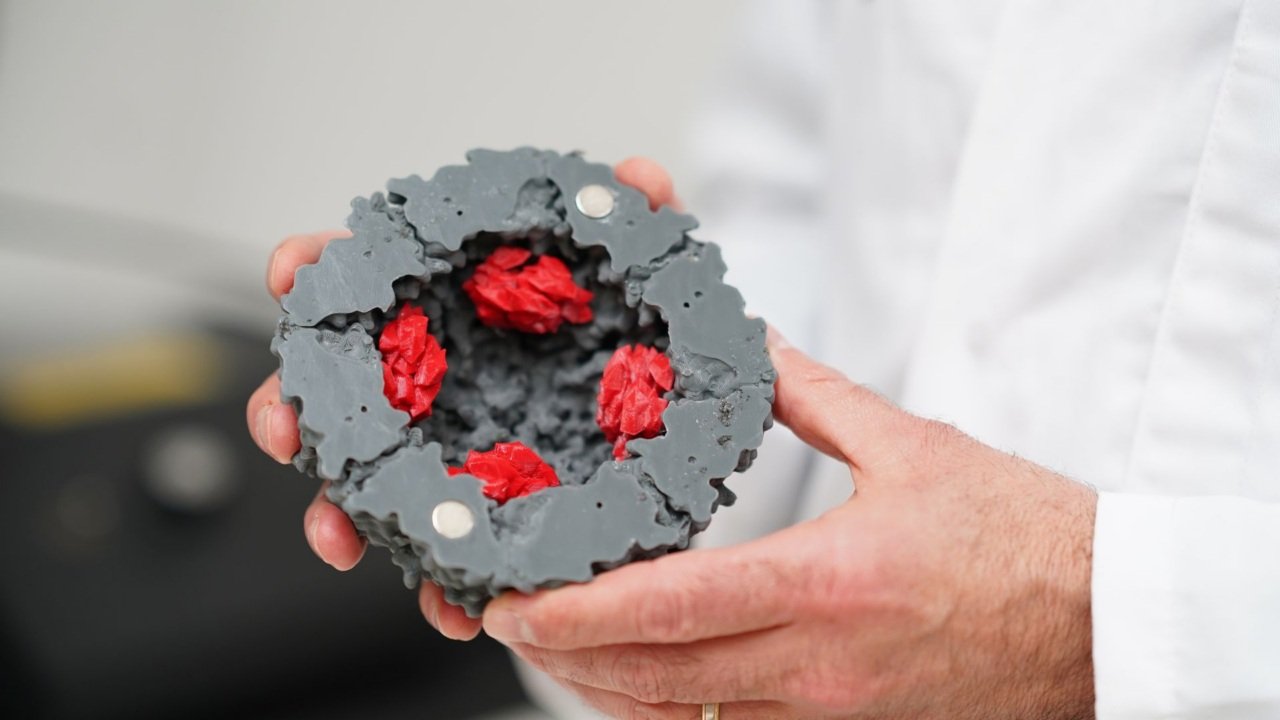
FeBI Technologies – co-founded by Florey Institute of Neuroscience and Mental Health Associate Professor Gawain McColl, University of Melbourne Associate Professor David Simpson, and Dr Nicole Jenkins – is developing a quantum-based blood test able to measure iron levels cheaply, reliably, and accurately.
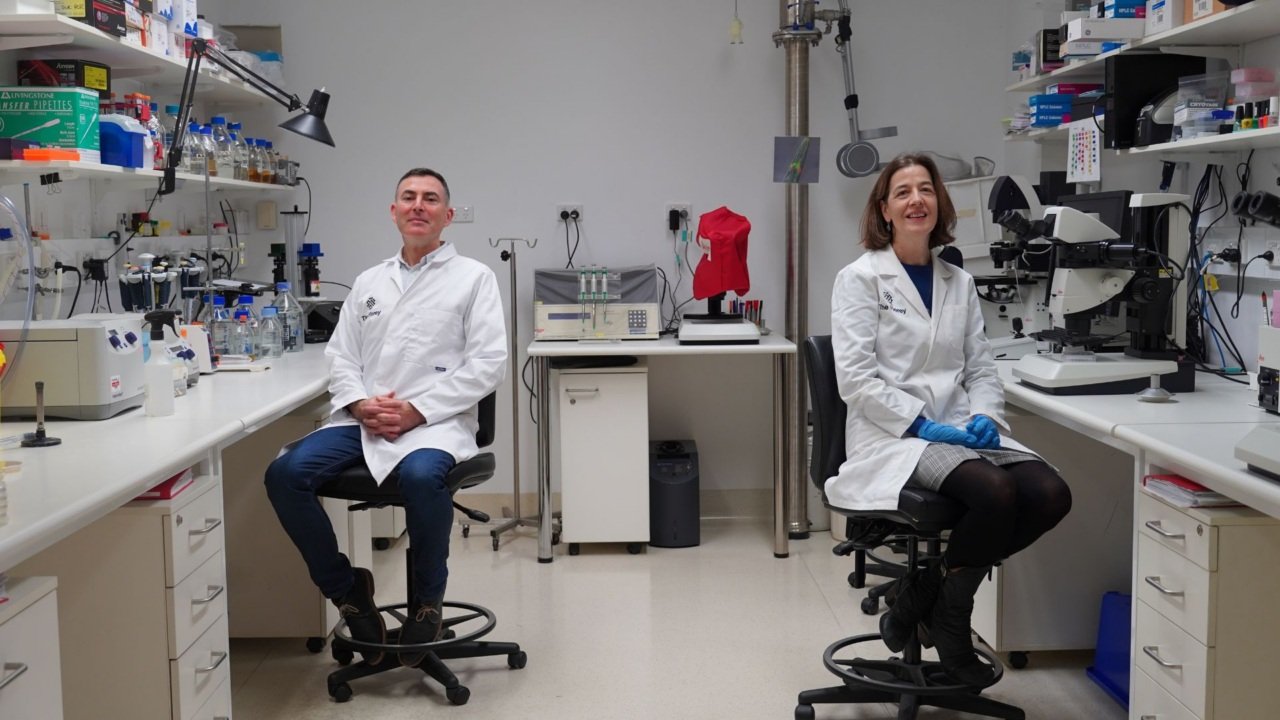
Associate Professor Gawain McColl, who heads The Florey’s Molecular Gerontology Group, said the funding would allow acceleration of FeBI Technologies’ mission to provide meaningful improvements for the diagnosis of iron disorders for First Nations communities.
“The FeBI team has worked tirelessly to develop quantum sensing technology that promises to provide rapid and accurate assessment of clinical iron status, and thereby provide urgently needed clarity for clinical decisions,” Associate Professor McColl said.
“We are combining the disciplines of molecular biology, materials engineering and quantum sensing to fundamentally change how iron is clinically assessed from a regular blood test, to improve health outcomes and wellbeing for First Nations communities.”
“Through decades of research, we have developed quantum sensing technology that harnesses the fundamental properties of atoms and light to make physical measurements with unparalleled reliability and precision,” Associate Professor Simpson added.
FeBI CEO Dr Jenkins said existing blood tests measure ferritin – a protein that stores iron – rather than iron itself, and FeBI Technologies aims to change that.
“Iron is vital for health, and iron disorders affect up to one in three people globally. Current iron tests are confounded by chronic health conditions, which disproportionately impact First Nations peoples, resulting in misdiagnosis and delayed treatment,” Dr Jenkins said.
The funding builds on an initial Stage 1 Critical Technologies Challenge Program grant of $494,000, which supported prototype development and community engagement activities in Katherine, Northern Territory.
The translational partnerships with The Florey, University of Melbourne and Sunrise Health Service Aboriginal Corporation established in Stage 1 will be strengthened and the consortium grown to include new partner organisations, including the Dijan Training Program (Katherine, NT) and Planet Innovation. Key outcomes of this project are expected to include increased engagement of First Nations peoples in the national quantum ecosystem, development of an integrated FeBI prototype for testing clinical blood samples, and a strengthened commercialisation roadmap and regulatory data room.
Professor Sean Taylor from the University of Melbourne is the Director of Aboriginal and Torres Strait Islander Health group Onemda led the work in Katherine.
Professor Taylor said the funding would support further trips to the area to strengthen engagement with these communities and to better understand the healthcare and research landscape.
“Strong partnerships with First Nations communities and local health services are central to this work. This funding will help us build on our engagement in the Katherine region, ensuring community priorities guide the development of technology that could improve access to accurate iron testing and support culturally safe care, and better health outcomes, particularly for people facing geographical barriers to accessing health services,” Professor Taylor said.
The Australian Government’s Critical Technologies Challenge Program supports the development of quantum and other critical technologies to address some of Australia’s most significant national challenges.