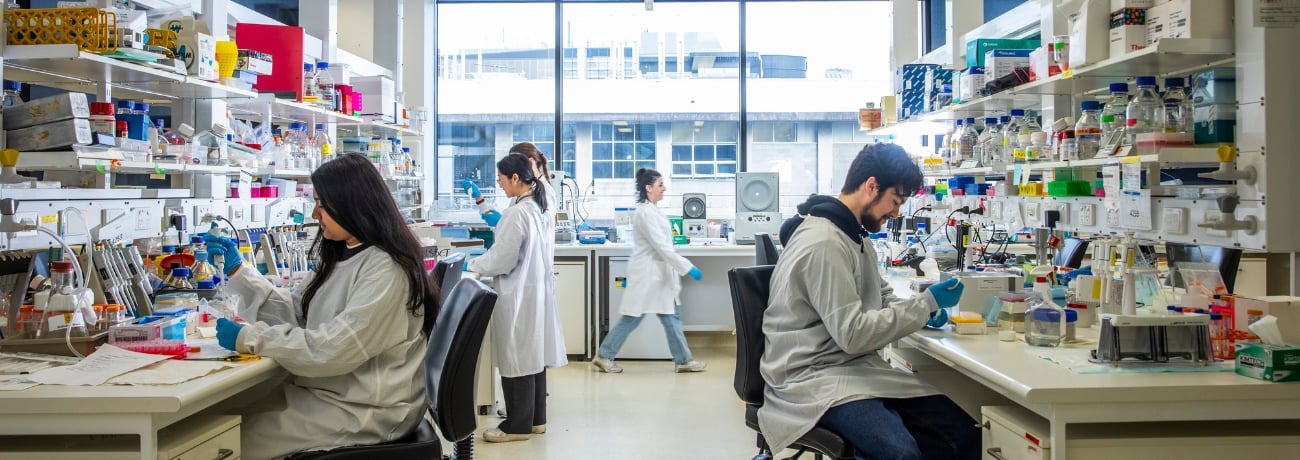
- A new rehabilitation program empowers stroke survivors to focus on recovery by performing tasks that are important to them, at home.
- Traditional hospital-based stroke rehabilitation is time-limited, can be a burden, particularly for rural and remote communities.
- Innovative technologies, artificial intelligence and valued activities enable tailored therapy, and help the person with stroke stay connected.
A new personalised approach delivering therapy in the home
Stroke survivors are benefitting from a new style of rehabilitation developed by Florey and La Trobe University researchers.
The home-based TAILOR and Connect* rehabilitation program focuses on helping stroke survivors regain function through working on tasks that truly matter to them. By combining state-of-the-art video motion capture and sensors with telehealth, the program uses technology to help pinpoint the best therapy for that individual and tailor it to their needs.
A stroke survivor’s experience
To the casual observer, Michelle Course, 38, appears fit and well. But Michelle’s left side has been affected by a stroke she had 2 years ago, making everyday activities challenging.
After her stroke, Michelle had to stop working and move back into her parents’ home for support.
The mother of a boisterous 7-year-old, Michelle is determined to regain her independence through TAILOR and Connect.
“My rehabilitation is my fulltime job now,” she says.
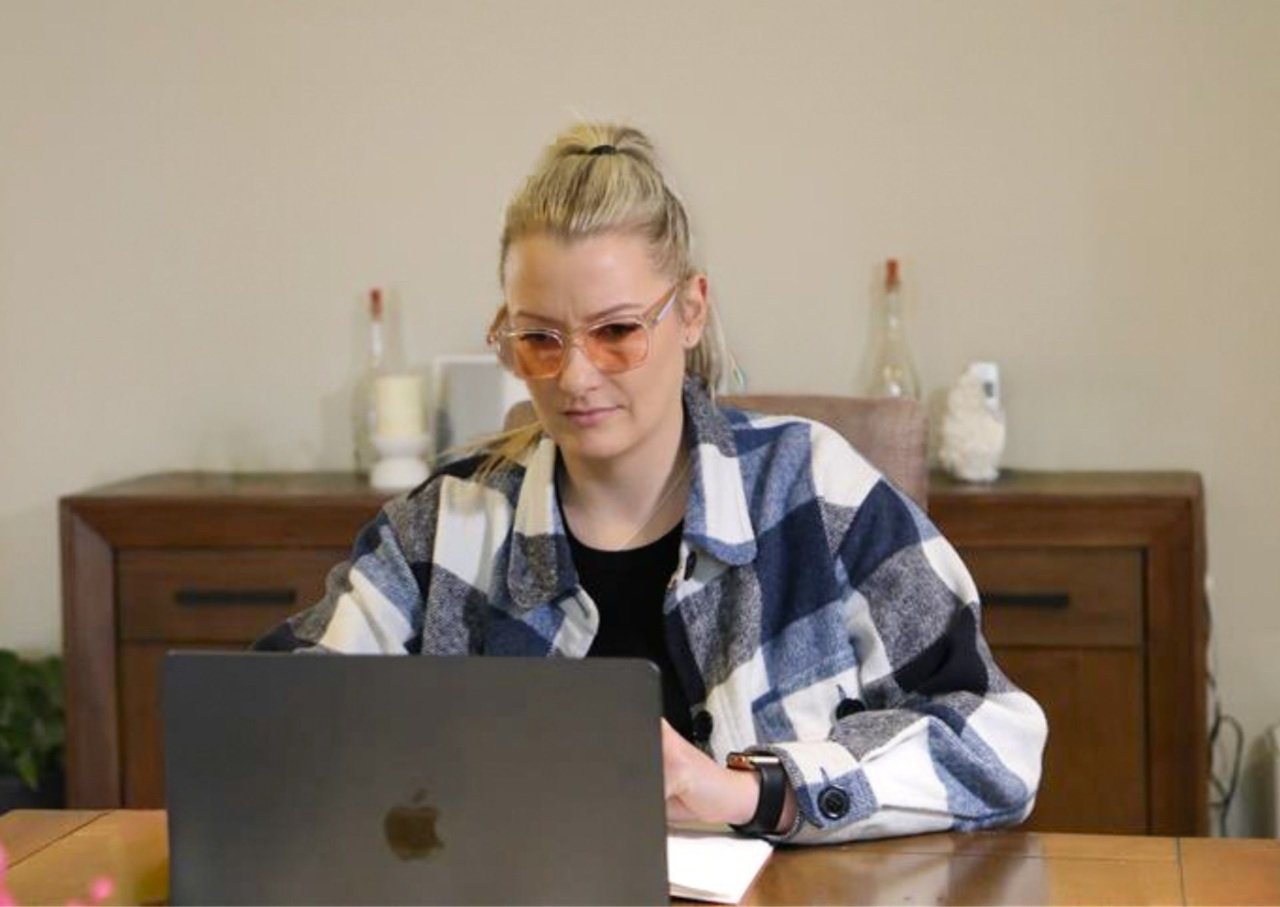
Michelle is diligently working on her key goals:
- To improve her writing
- To fasten her own buttons
- To butter bread
- To open and close plastic containers, especially for when she makes her son’s lunches
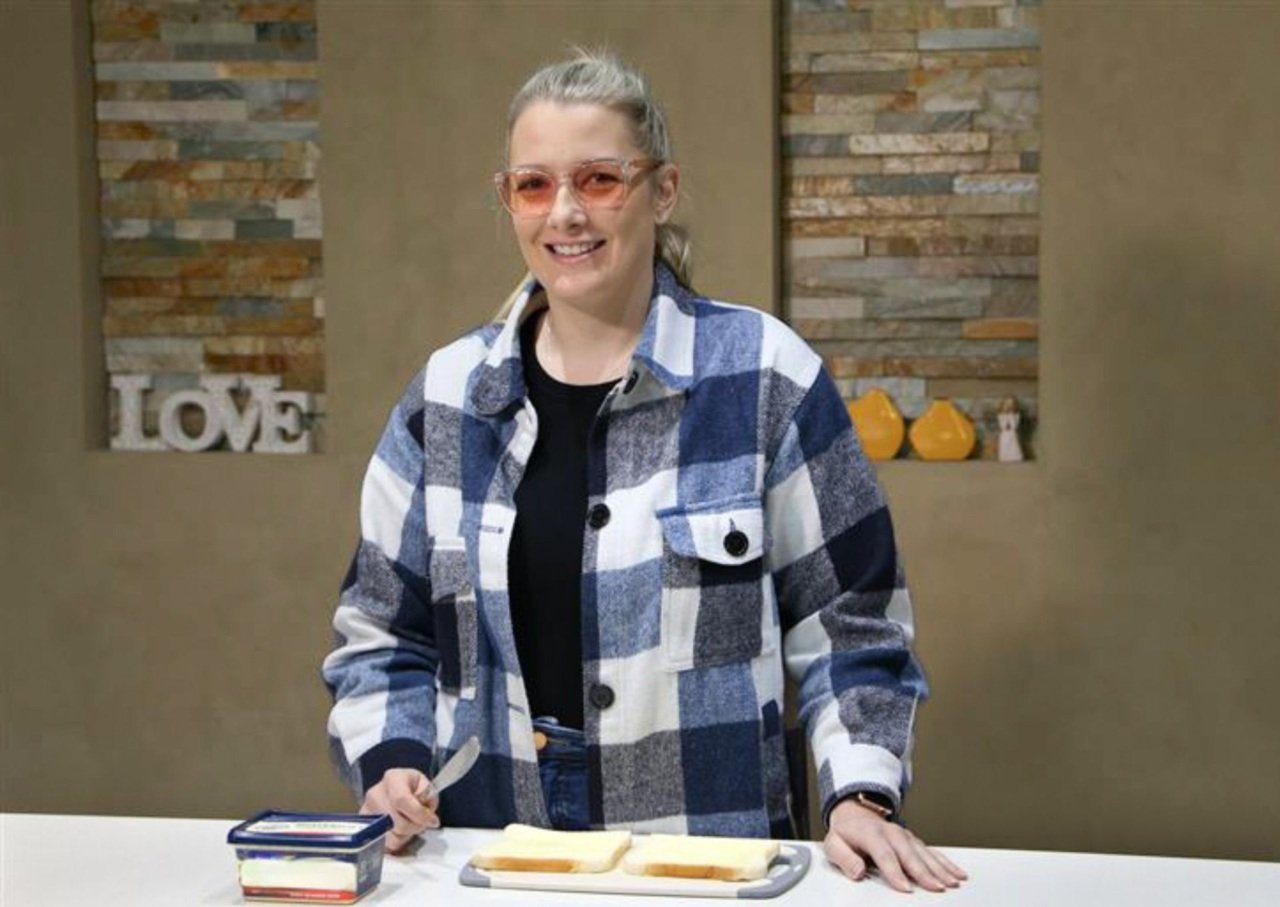
Stroke survivor Michelle CourseThese tasks may seem mundane, but for Michelle they’re steps on the road back from that life-changing morning.
I woke up with a thunderclap headache. Once that subsided, I was dizzy and vomiting, but I just thought it was vertigo and tried to sleep it off.
Michelle went back to bed not realising she’d lost the use of the left side of her body. She awoke about 8 hours later and phoned her mother who noticed her slurred words and immediately called an ambulance.
Michelle was rushed to hospital, shocked to learn she’d had a stroke.
“I thought it only happened to old people.”
She spent a week in hospital and 5 weeks in residential rehabilitation before going home.
She signed up for TAILOR and Connect as soon as she could, after hearing about it through the Young Stroke Service.
A new way of recovering from stroke at home
The Florey’s Head of the Neurorehabilitation and Recovery research group, Professor Leeanne Carey – who is also Professor of Occupational Therapy at La Trobe University – created the innovative TAILOR and Connect program.
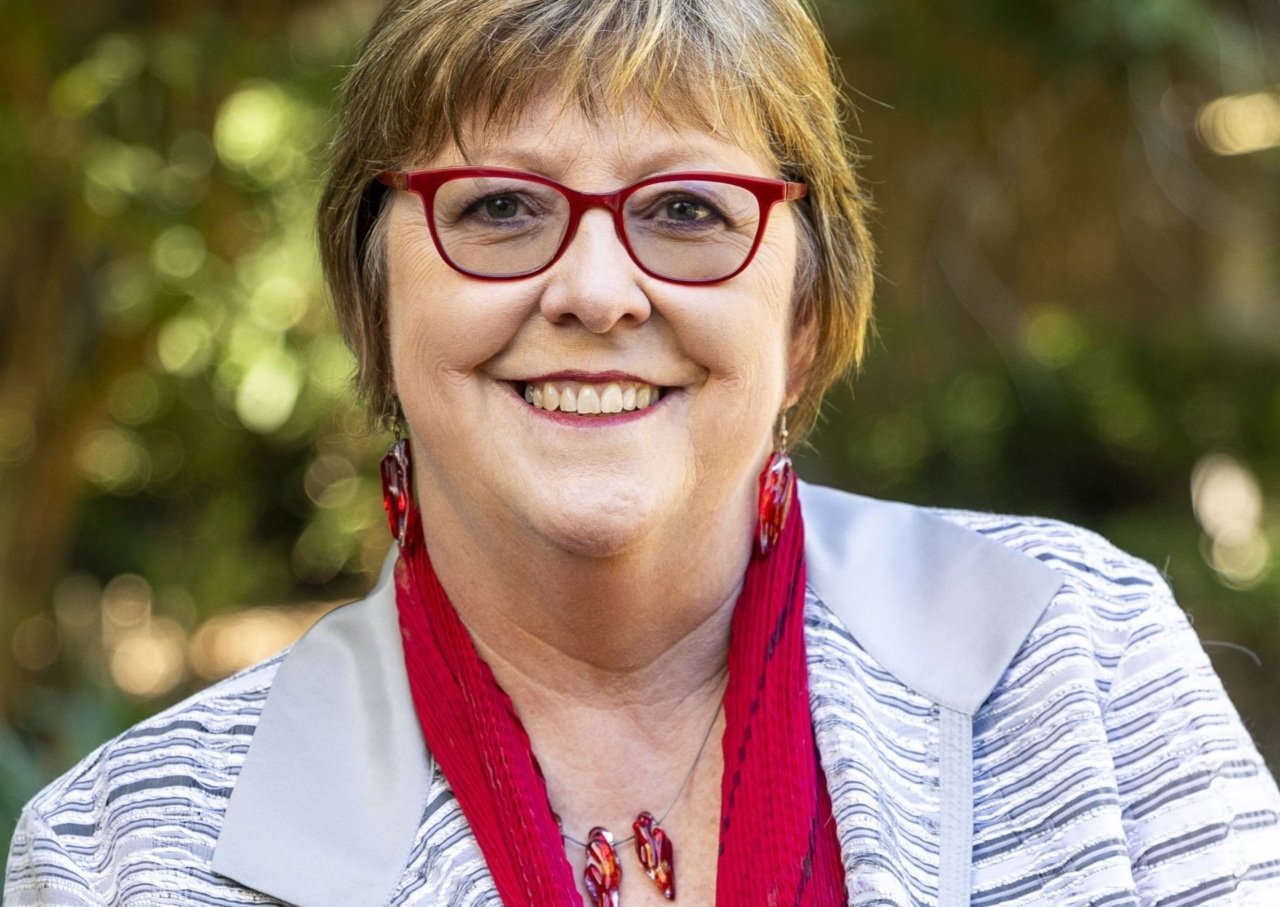
“One in 4 people experience a stroke which may lead to enormous challenges in their ability to sense, move, think, engage and participate in valued activities,” Professor Carey said.
Traditional stroke rehabilitation looks for a single solution to a complex problem. A stroke survivor will be discharged from hospital or residential rehab and face having to travel to many appointments, which can be extremely fatiguing.
Professor Carey said the TAILOR and Connect approach allows people like Michelle to receive best evidence therapy tailored to their goals and activities, remotely in their own homes.
“Our baseline assessment includes the use of video motion capture and motion sensors which are analysed by clinicians, assisted by artificial intelligence. We capture them doing what is important to them in real time.”
She said this initial assessment guides the stroke survivor and their therapist coach to select the most appropriate therapy to achieve their goals.
“While some stroke survivors do have access to best-practice therapies, one of the things that makes our program different is the use of technology to help pinpoint the best therapy for that individual and tailor it to their needs.”
She said an individual’s goals might be to be able to do activities such as hold a favourite cup, prune roses, make children’s school lunches, or type on a keyboard.
“We provide survivors with an extensive rehabilitation program that they work on at home, during and between therapy sessions. People are hugely motivated to work on their goals in their own time because the goals are so meaningful to them.
“With the program delivered in their own homes via telehealth, therapists can continually reassess the person with stroke through further video analysis in real-time.”
Funded by an Australian Government Ideas Grant, the program is being trialled in the New South Wales, South Australia, and Victoria. Professor Carey encouraged stroke survivors aged 18 and over who had a stroke 3-18 months ago to apply.
“We know there is a real need for a program like this and would love to hear from you.”
* TAILOR stands for “Therapy and Artificial Intelligence Linked to Optimise Recovery” with “Connect” referring to the way therapists and stroke survivors stay connected through technology.