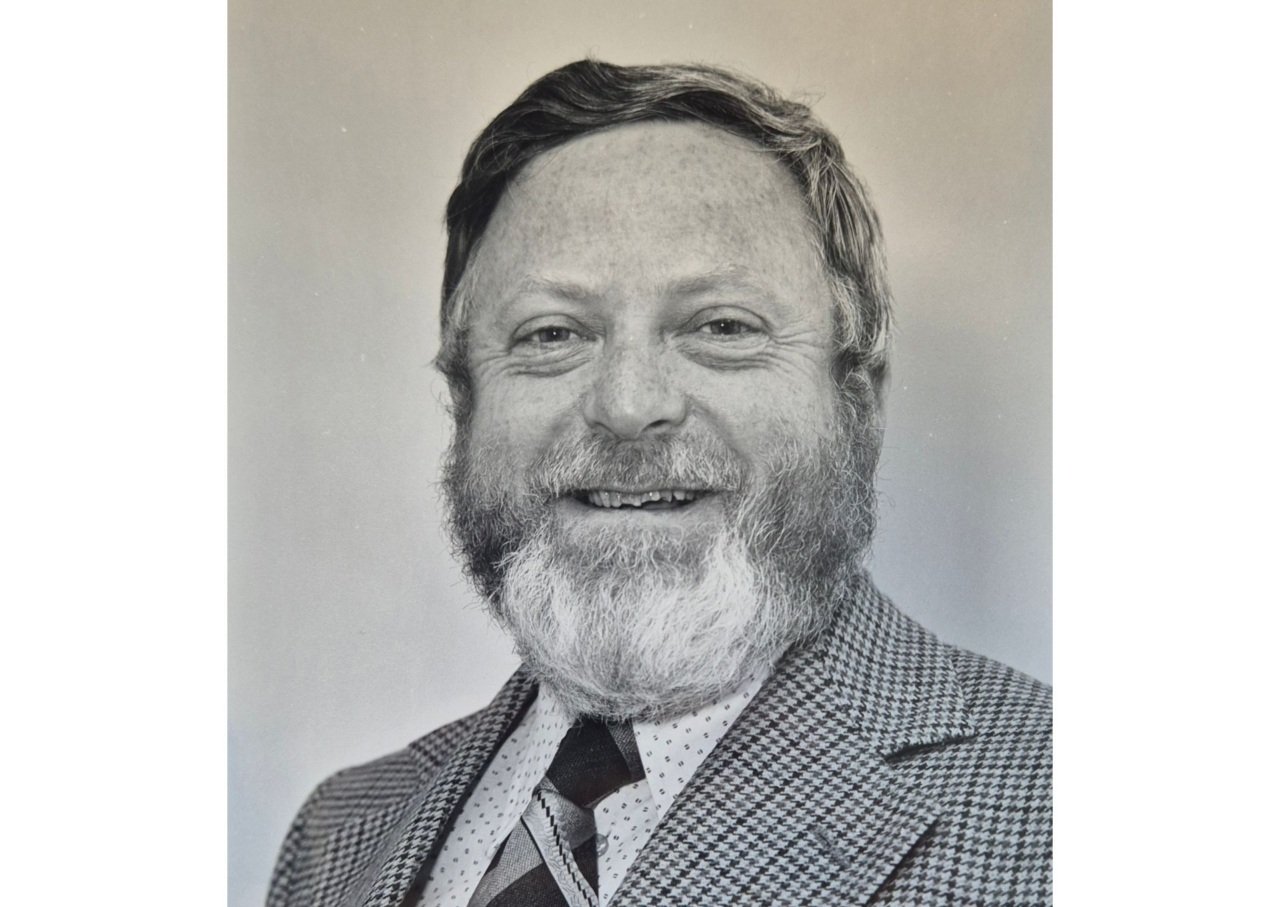
The passing of Dr Hugh Niall AO marks the loss of a scientific figure of rare stature, one whose influence on Australian biotechnology, and on the translation of discovery science into medicines, was both profound and enduring.
From the outset, Hugh Niall’s intellectual range set him apart. A stand-out high-school graduate, accomplished in Latin, Greek and mathematics, he entered medicine at the University of Melbourne carrying with him a depth of scholarship that would come to define his approach to science: rigorous, expansive, and grounded in first principles. His early work with Pehr Edman at St Vincent’s Institute of Medical Research placed him at the leading edge of protein chemistry at a moment when the field itself was being reshaped.
In the US, at the National Institutes of Health and Harvard Medical School, he refined and extended the techniques that would make modern protein science possible. His determination of the structures of key human hormones was not simply a technical achievement; it was foundational work that enabled the development of therapies for significant diseases and established him as one of the foremost protein chemists of his generation.
It was, however, here at The Florey — then the Howard Florey Institute — that Hugh’s impact on Australian science was most deeply felt. As our Associate Director, he helped shape the Institute during a formative period, contributing not only scientific leadership but a broader vision of what Australian biomedical research could be.
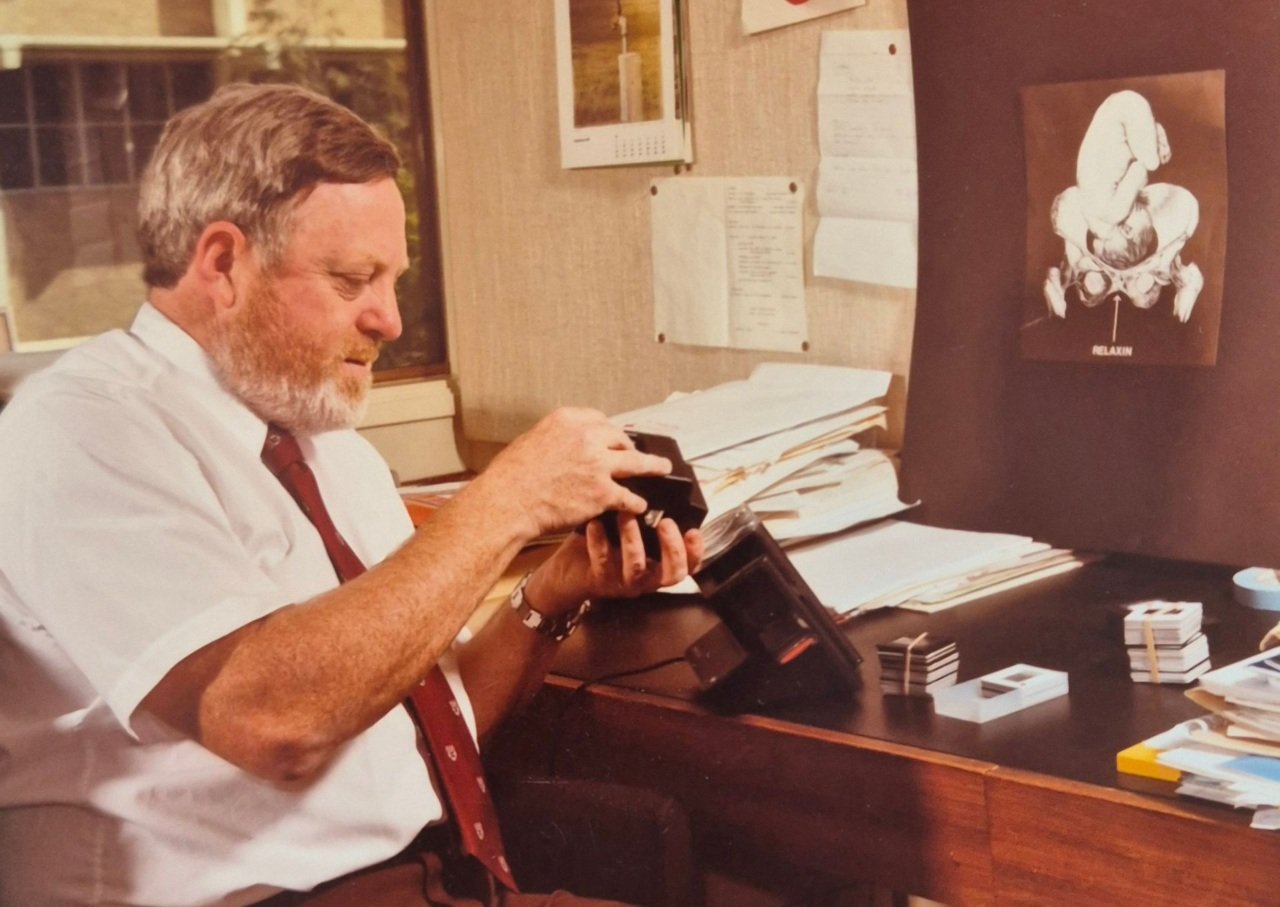
His work on the cloning and synthesis of the hormone relaxin was a landmark achievement, but equally important was the culture of intellectual ambition and quiet excellence that he helped to foster. The Florey’s standing as a globally respected research institute owes much to figures such as Hugh, who set exacting standards while demonstrating that world-class science could be done here, in Australia, with confidence and originality.
His subsequent career at Genentech extended that influence onto the global stage. As Vice-President of Research Discovery, he played a central role in guiding programs that would lead to therapies now used worldwide, including Nutropin, Herceptin, Avastin and Lucentis. These medicines have transformed the treatment of cancer, growth disorders and blindness, and stand as a testament to Hugh’s ability to connect fundamental science with clinical impact.
Yet his commitment to Australian science remained constant.
Returning in the mid-1990s, he brought with him international experience and a determination to strengthen the local biotechnology sector. At Biota Holdings, he forged a partnership with the Victorian College of Pharmacy, CSIRO and GlaxoWellcome that resulted in the development of Relenza, one of the first antiviral therapies for influenza and a defining achievement in Australia’s emerging biotechnology industry. In later roles, including as Chairman of Avexa and Chief Executive of the Australian Stem Cell Centre, he continued to guide organisations through both scientific and strategic complexity, strengthening the sector as a whole.
Across these endeavours, Hugh was not simply a participant in the development of modern biotechnology; he was one of its architects. He moved with equal authority between disciplines and between sectors, helping to build the pathways that link discovery to application. His contributions have had lasting impact, not only in the therapies that bear the imprint of his work, but in the institutions he helped shape. In recognition of these contributions, he was awarded his Doctor of Medical Science (honoris causa) from University of Melbourne in 2012 and was appointed an Officer of the Order of Australia in 2015.
In later years, he returned to Monash University as a Vice-Chancellor’s Professorial Fellow, and to the study of the classics, completing a remarkable intellectual circle that spoke to the breadth of his interests and the depth of his curiosity.
Dr Hugh Niall AO is survived by his children, Lucy, Jake, Ben and Emma. His legacy endures in the strength of Australian biotechnology, in the global impact of the medicines he helped bring into being, and in the work of the many researchers that he inspired.
Vale Dr Hugh David Niall AO
15 August 1937 – 11 April 2026