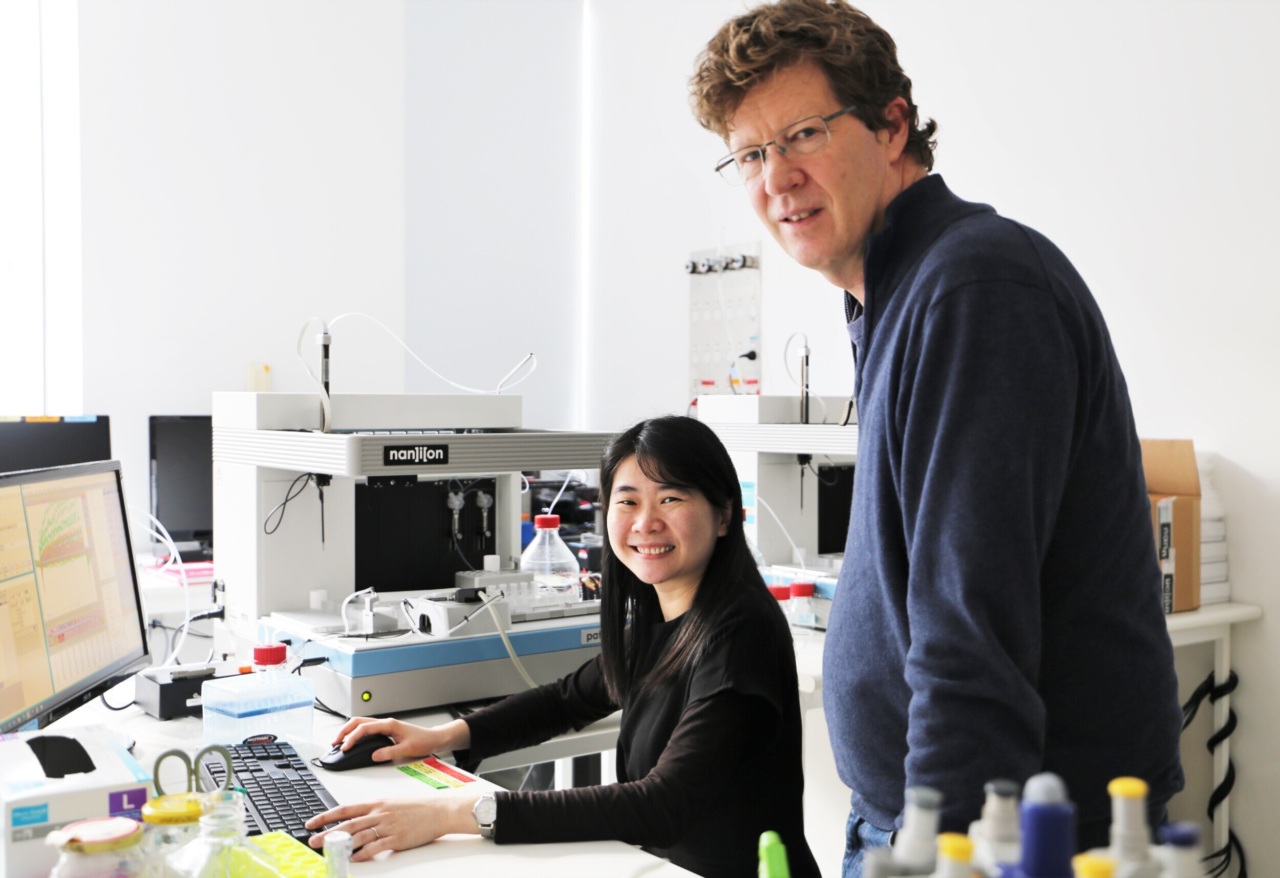
- Dr Ming Soh is a Research Fellow in The Florey’s Neurophysiology of Excitable Networks Group.
- She studies Sudden Unexpected Death in Epilepsy (SUDEP), which remains one of the most devasting and least understood risks for people living with epilepsy.
- In this Q&A, Dr Soh explains what SUDEP is and how The Florey’s world-leading research is working to better understand and ultimately prevent it.
What is epilepsy?
Your brain is made of electrical circuits. In epilepsy, those connections become unstable, causing seizures. Think of a seizure as a massive electrical overload. This surge can interfere with vital systems, often with devastating consequences. Seizures vary in type and severity, and for some people, they are difficult to control despite treatment.
What is SUDEP?
SUDEP stands for Sudden Unexpected Death in Epilepsy. It occurs when a person with epilepsy dies suddenly, and no other cause of death can be identified.
It is the leading cause of death in people with epilepsy and tragically for many families, the first time they hear the term SUDEP is after they have lost someone they love.
Why does SUDEP happen?
For many years, SUDEP was thought to result mainly from breathing failure after a seizure. Our research now shows a more complex picture. The brain, heart and respiratory system are closely connected, especially during and after seizures. When one system is disrupted, it can trigger dangerous domino effects in the others. The critical question is no longer just what happens, but why it happens to some people and not others.
What is your team investigating?
At The Florey we are pioneering research into how seizures impact the heart, as well as the brain. Some individuals may have an underlying vulnerability — such as an abnormal heart rhythm — that causes no issue on its own but becomes dangerous during a seizure. Understanding this brain-heart connection could be the key to identifying who is most at risk and how we can help to protect them.
What has your team discovered?
Using advanced models, we discovered that when epilepsy and heart rhythm abnormalities occur together there is an increased risk of SUDEP. This finding may explain why some people are at far greater risk than others and opens the door to new ways of protecting them.
Can the risk be reduced?
Encouragingly, our research has identified a potential way forward. An approved and widely used heart medication, atenolol, significantly improved survival in models where both epilepsy and heart rhythm abnormalities were present. This suggests that protecting the heart in patients with epilepsy may offer a promising new approach to prevent SUDEP.
How do you turn this discovery into something that saves lives?
Our research is now moving toward a clinical trial in collaboration with leading clinicians, focusing on children with severe epilepsy who are at high risk of SUDEP. This step, from discovery to patient care, is critical to turning scientific insight into real-world benefit.
Why is this research so important?
SUDEP is the most devastating and least understood complication of epilepsy and it occurs without warning. Our research is important because it:
- reveals why some people may be at a higher risk
- identifies a new pathway for prevention
- brings us closer to targeted, life-saving treatments
It represents a shift from uncertainty toward understanding, and from risk toward prevention.
Why is support for research needed?
At The Florey we have the expertise, the passion, and the scientific models to better understand and prevent SUDEP.
What we urgently need is funding to support our researchers, so that they can continue to advance their vital work to reach patients in the clinic.
We are grateful to the people whose experiences of epilepsy inform the work that we do.
With your support, we can turn knowledge into action, and ensure that fewer families have to experience such devastating loss.