Search

Page 3 of 80
  • News
    New insights into rare gene variants that cause severe epilepsy

    Epilepsy is one of the most common neurological conditions, affecting one in 25 people. The severity of epilepsy varies among those living with the condition and can be influenced by genetics, brain function and environmental and personal factors. Experts from The Florey have contributed to international research that has uncovered new genetic insights that could lead to improved diagnosis…

    Read time: 2 mins

    View more
    GABRA3
  • General
  • Feature stories
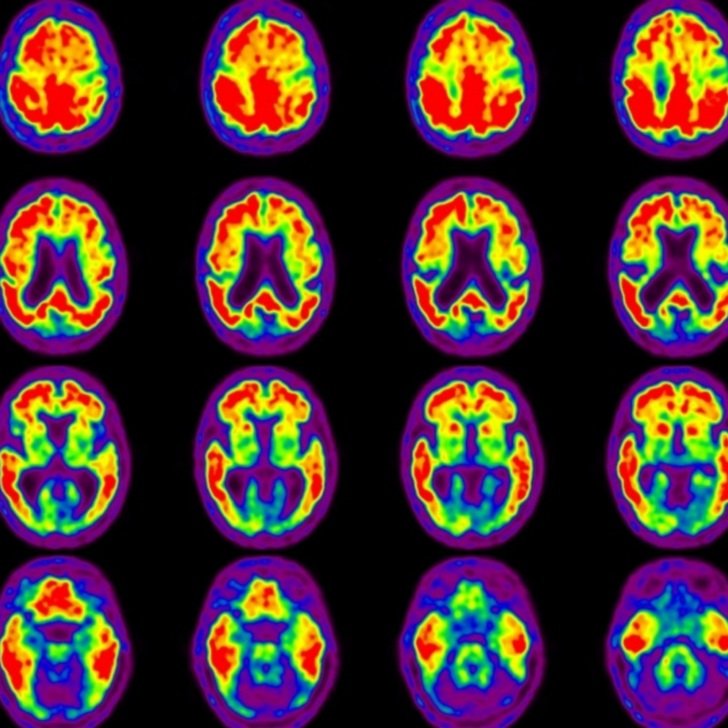
    How does dementia affect the brain?

    Dementia describes a group of symptoms that occur when the brain is damaged by disease, affecting a person’s memory, thinking and behaviour.  Alzheimer’s disease, the most common cause of dementia, is marked by distinctive biological changes in the brain, including the build-up of plaques and tangles.  The early stages of Alzheimer's can last 10 to 20 years, often with no noticeable…

    Read time: 3 mins

    View more
    Brain PET scan shows red sections, indicating increased brain amyloid.
  • Document / General Document
  • Document / General Document
    AVERT DOSE Trial Protocol

    Download PDF (2.8MB)
  • General
  • General
    Mendelsohn Student Award

    View more
  • News
    Injecting new energy into Alzheimer’s disease research

    The Florey’s Dr Francesca Alves has been awarded a $735,000 fellowship from the Dementia Australia Research Foundation to develop a potential diagnostic tool and a new targeted treatment for Alzheimer’s disease. In Alzheimer’s, brain cells fail to produce enough energy to stay healthy and function properly and this failure is linked to brain cell damage and death. Dr Alves is developing a…

    Read time: 1 min

    View more
    Scientist wearing lab coat rests hand on laboratory bench
    Dr Francesca Alves
  • News
    Common heart medication could be key in SUDEP prevention

    Florey researchers have found a medication commonly used for blood pressure control holds promise in reducing the risk of sudden unexpected death in epilepsy (SUDEP). The study, which used mouse models, provides strong evidence that protecting the heart during epileptic seizures can reduce the risk of sudden death. There is currently no effective method to predict or prevent SUDEP, the leading…

    Read time: 2 mins

    View more
    Man in navy jumper stands in open corridor, smiling
    Professor Christopher Reid
  • News
    The Florey secures new grants for key MS research

    Multiple sclerosis (MS) is an inflammatory disease of the central nervous system that affects almost 40,000 Australians and three million people worldwide. Two researchers from The Florey have been awarded combined funding of almost $65,000 from MS Australia to fast track their MS research. The grants will support research on the role genetic mutations in the brain play in…

    Read time: 2 mins

    View more
    Man wearing pale blue shirt smiles
    Mr Alex Eisner