- In this Q&A, Dr Vivien Li explains what multiple sclerosis (MS) is, who is most affected, and how her team at The Florey is developing new innovative approaches to treatment.
- Dr Li is a Senior Research Fellow at The Florey and neurologist at the Royal Melbourne Hospital MS Clinic.
What is MS?
MS is an autoimmune disease of the central nervous system in which the immune system mistakenly attacks myelin, the fatty sheath that protects nerve fibres and helps electrical signals travel quickly between the brain, spinal cord and the rest of the body. This damage disrupts those signals, causing neurological symptoms and, over time, disability.
Depending on where the damage occurs, MS can affect vision, movement, balance, bladder and bowel function, concentration and memory, and can cause fatigue.
What causes MS?
The exact causes of MS are not yet fully understood, but research has identified several factors that increase a person’s risk. One of the strongest is infection with the Epstein-Barr virus, which can cause glandular fever. Evidence suggests the virus may trigger changes in the immune system that contribute to MS in people who carry certain genes affecting how their immune system responds.
Understanding these causes is an area of research in which The Florey’s team is leading the way.
Who is most affected by MS, and what can a diagnosis mean for their life?
MS typically develops in early adulthood, affecting people in their 20s and 30s. It is more common in women, who are around three times more likely to be affected than men.
That timing can make a diagnosis particularly difficult. Someone may be finishing their education, establishing their career, building relationships, planning a family or raising young children. They may otherwise feel young and healthy and suddenly find themselves coming to terms with a chronic condition that could be part of their lives for decades.
What treatment options are available for people living with MS?
Many current treatments help reduce relapses and slow progression by broadly altering or suppressing the immune system, including the parts that protect us from infection. This can increase the risk of infections and other side effects that need careful management. However, their effectiveness varies between individuals, and people with MS often require lifelong treatment.
There are currently no therapies available that repair the damage or reverse the disability from MS.
Could we treat MS in a much more precise way?
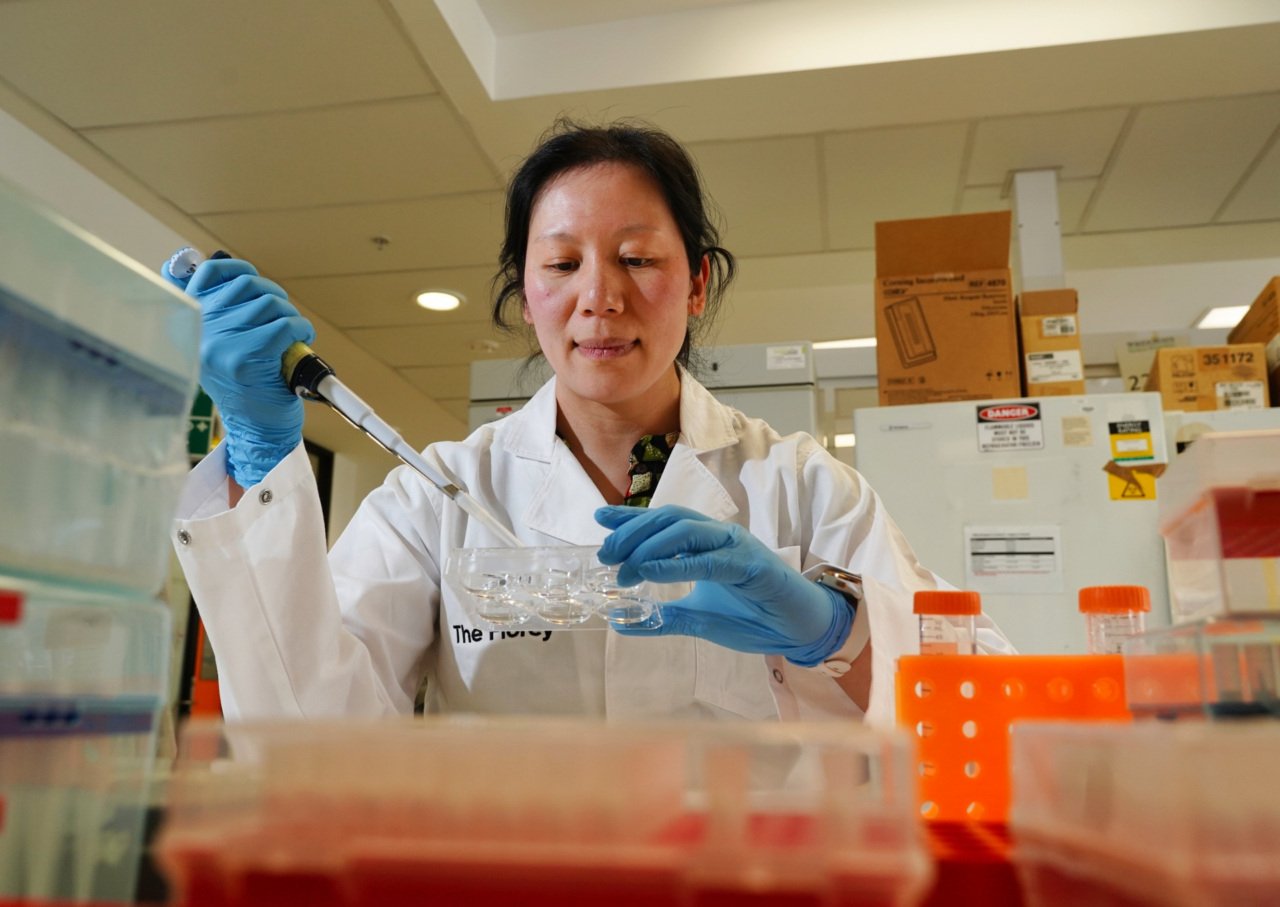
That is exactly what my team and I are exploring at The Florey. Our aim is to harness a patient’s own immune cells and retrain them, so they no longer see parts of the brain and spinal cord as something foreign to attack.
We start with blood donated by people with MS and isolate specific immune cells. In the laboratory, we expose these cells to MS-relevant targets from the brain and spinal cord, together with carefully selected factors that make them less harmful.

Ultimately, we hope these retrained cells could be returned to the patient to selectively switch off the damaging immune response driving their MS.
That is what excites me most: the possibility of teaching the immune system not to attack the brain in the first place.
If this research succeeds, what could it mean for someone diagnosed with MS today?
This research is at an early stage, but the potential is incredibly exciting. A more precise approach could reduce the burden of ongoing treatment for a young person with MS, and give greater freedom to focus on their careers, families, relationships and their future. For someone diagnosed in their 20s or 30s, the difference could be measured in decades.
What inspired you to dedicate your career to MS research?
Neurology was my area of interest from quite early in medical school and I was drawn to how neurologists approach a patient. It’s almost a problem-solving process, piecing together someone’s symptoms and examination findings to work out what’s going on.
MS particularly fascinated me because it sits at the intersection of two incredibly complex systems, the brain and the immune system. As a neurologist, you often care for people over many years. You get to know them, understand what living with MS means for their lives, and see first-hand where better treatments are still desperately needed. That’s what motivates my research today.
What has The Florey made possible for you and your research?
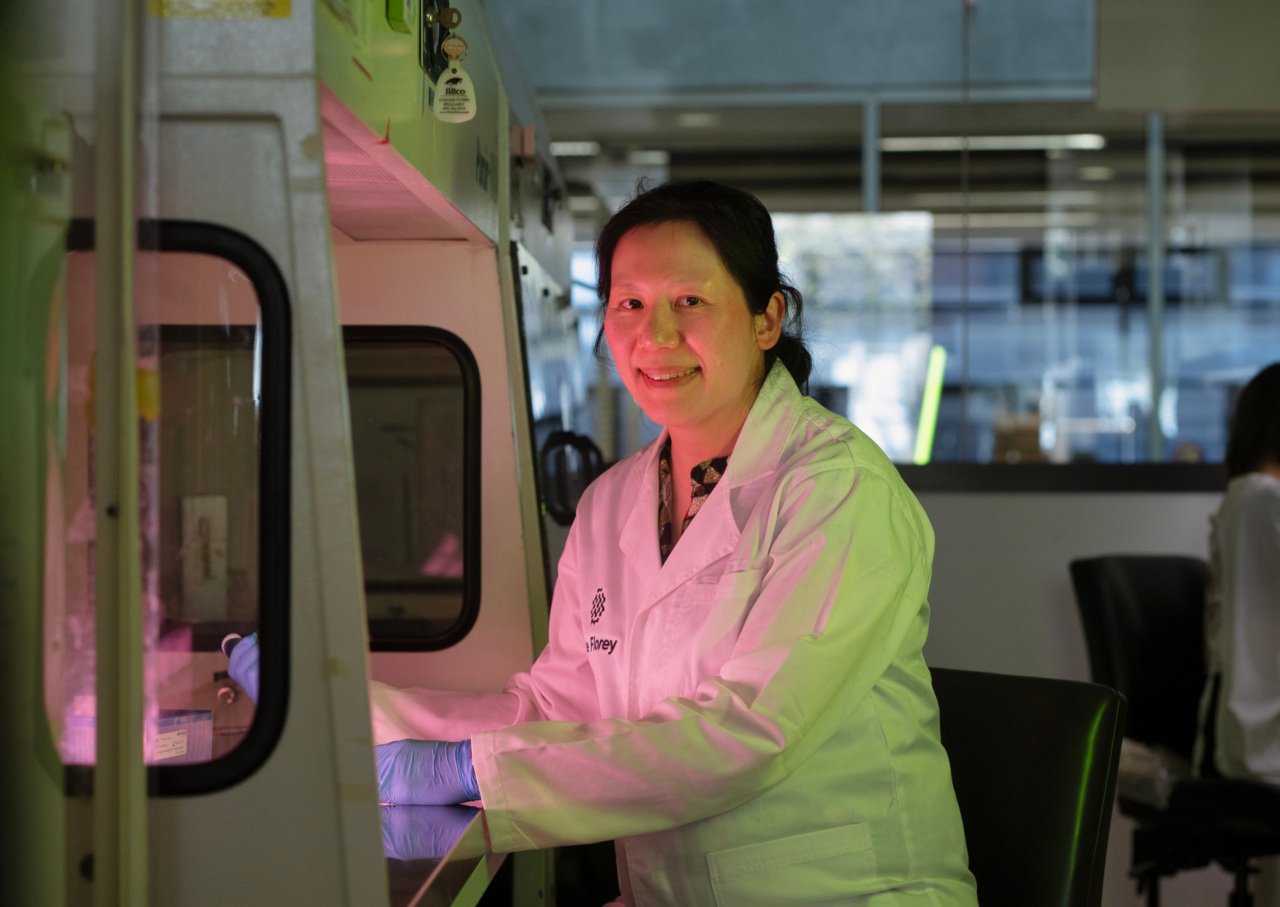
The Florey is an extraordinary place for this research. Bringing together world-class neuroscience expertise, specialist technology and facilities to advance discoveries towards clinical translation.
Alongside my research, I work as a neurologist at the Royal Melbourne Hospital’s MS Clinic. This connection means the challenges faced by people with MS directly inform the questions we investigate in the laboratory.
That is what makes me proud to work at The Florey. We have the expertise, facilities and connections to pursue research that responds to what people with MS need and could make a meaningful difference to their lives.