- The Florey’s Australian Epilepsy Project and the Institute’s leading epilepsy researchers have made significant contributions to a national epilepsy inquiry.
- The Senate inquiry into epilepsy in Australia made 27 recommendations to the Federal Government after hearing from people with lived experience and epilepsy experts.
- Epilepsy is a disorder causing recurrent seizures, affecting about 250,000 Australians.
The Florey Institute of Neuroscience and Mental Health’s flagship Australian Epilepsy Project (AEP) and senior epilepsy researchers have helped shaped the findings of a landmark inquiry into epilepsy.
The Senate inquiry into epilepsy in Australia received more than 350 submissions and held seven public hearings across the country before delivering its final report to the Federal Government last month.
The AEP advocated for a substantial number of systems reforms, which were reflected in the Committee’s final report. These included:
- the need for national optimal care pathways;
- equitable access to advanced neuroimaging and genetic testing; and
- digitally enabled access to care for regional and remote patients.
The Senate inquiry’s report also cited the AEP evidence on epilepsy misdiagnosis and diagnostic delay, barriers preventing people with epilepsy from finding and accessing clinical trials and the potential for the AEP’s national patient database to connect patients with relevant trials and research.
The AEP was awarded $30 million through the Medical Research Future Fund (MRFF) in 2021 — the single largest government investment into epilepsy research in Australia — to develop an AI-enabled brain health platform to support faster diagnosis and treatment.
In May, the Federal Minister for Health and Ageing, the Hon Mark Butler MP, announced a further $30 million in MRFF funding for the AEP to embed its leading brain health platform into the Australian health system.
Professor Graeme Jackson, Chief Investigator of the AEP, said epilepsy is a devastating, misunderstood and an often-hidden condition.

“Epilepsy is not only associated with seizures, but with increased injury risk, cognitive deficits, mental illness, reduced independence and quality of life and stigma,” Professor Jackson said.
“The inquiry and its findings are a significant milestone for the 1 in 25 Australians who will experience epilepsy in their lifetime.
“The report captures, in unprecedented detail, the experiences of Australians living with epilepsy and the systemic challenges they face from delayed diagnosis and fragmented care to geographic inequity and limited access to specialist services.
“For the AEP, this is more than a report. It is an opportunity to turn evidence into action.”
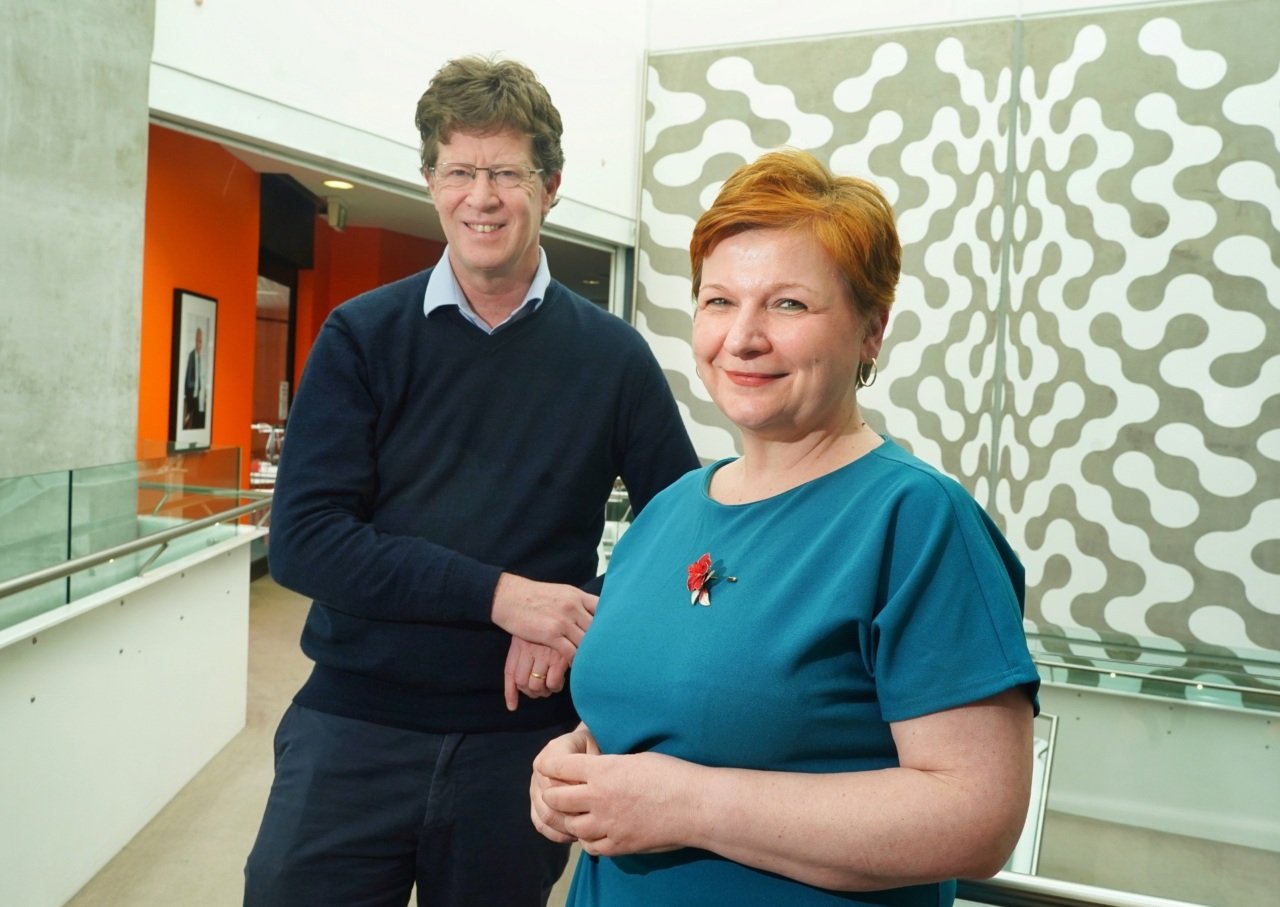
Professor Christopher Reid and Associate Professor Snezana Maljevic, Head and Deputy Head of Epilepsy and Neurodevelopment Research at The Florey, also contributed evidence to the inquiry. Five of their seven recommendations were reflected in the inquiry’s recommendations, including:
- dedicated epilepsy research funding;
- funding and regulatory frameworks for single patient (“N-of-1″) clinical trials; and
- improved care for people living with Developmental and Epileptic Encephalopathies, a group of severe and rare epilepsies that commonly begin in infancy or childhood.
“For children and adults living with severe epilepsy, and for their families, this inquiry is important because it recognises how complex their journey can be — from diagnosis and care to accessing research and new treatments,” Associate Professor Maljevic said.
“We welcome the care and depth with which the committee listened to people with lived experience and sought to understand the condition.
“The challenge now is to turn that recognition into better care, stronger research support and faster access to meaningful advances.”