- Hormones help shape the brain from early development, and throughout life continue to influence biological systems involved in mood, motivation, stress and emotional regulation.
- Periods of significant hormonal change can coincide with increased vulnerability to mental health conditions, including puberty, pregnancy, the postnatal period and perimenopause.
- At The Florey, researchers are investigating how hormonal disruptions during puberty may influence brain development and mental health vulnerability, and studying how women’s reproductive hormones may affect behaviours including addiction.
Women experience significant hormonal changes throughout their lives, during puberty, pregnancy and menopause. While the physical effects of these transitions are widely recognised, their impact on mental health is often less understood.
Hormones influence much more than our reproductive health. These chemical messengers help regulate how we think, feel and respond to the world around us.
Changes in hormone levels can affect our mood, energy, stress responses and vulnerability to mental health conditions.
How hormones influence the brain
The key reproductive hormones estrogen and progesterone play important roles in regulating menstrual cycle, fertility and pregnancy, but their influence extends well beyond these roles.
Hormones help shape the brain from early development. During critical developmental periods — including before birth and during puberty — changes in hormone levels influence how our brain circuits develop and become organised, leaving lasting effects on brain function and behaviour.
Throughout adulthood, hormones continue to influence how these circuits operate, affecting communication between brain cells and the systems involved in mood, motivation, stress and emotional regulation.
For some women, even the relatively predictable hormonal fluctuations of the menstrual cycle can have profound effects. Premenstrual dysphoric disorder (PMDD), for example, involves severe mood symptoms associated with the menstrual cycle. Importantly, research suggests these symptoms may reflect sensitivity to normal hormone fluctuations, rather than abnormal hormone levels themselves.
Why are some life stages associated with greater mental health risks?
Periods of significant hormonal change can coincide with increased vulnerability to mental health conditions.
During puberty, rates of anxiety and depression increase among girls. Pregnancy and the postnatal period bring dramatic hormonal changes, with some women experiencing depression or anxiety. Perimenopause, when reproductive hormone levels become increasingly variable, is another period associated with heightened vulnerability to depressive symptoms.
However, hormones are only part of the picture. Genetics, previous mental health experiences, stress and social circumstances all influence individual vulnerability. Understanding why some women are more sensitive to hormonal changes than others remains an important research question.
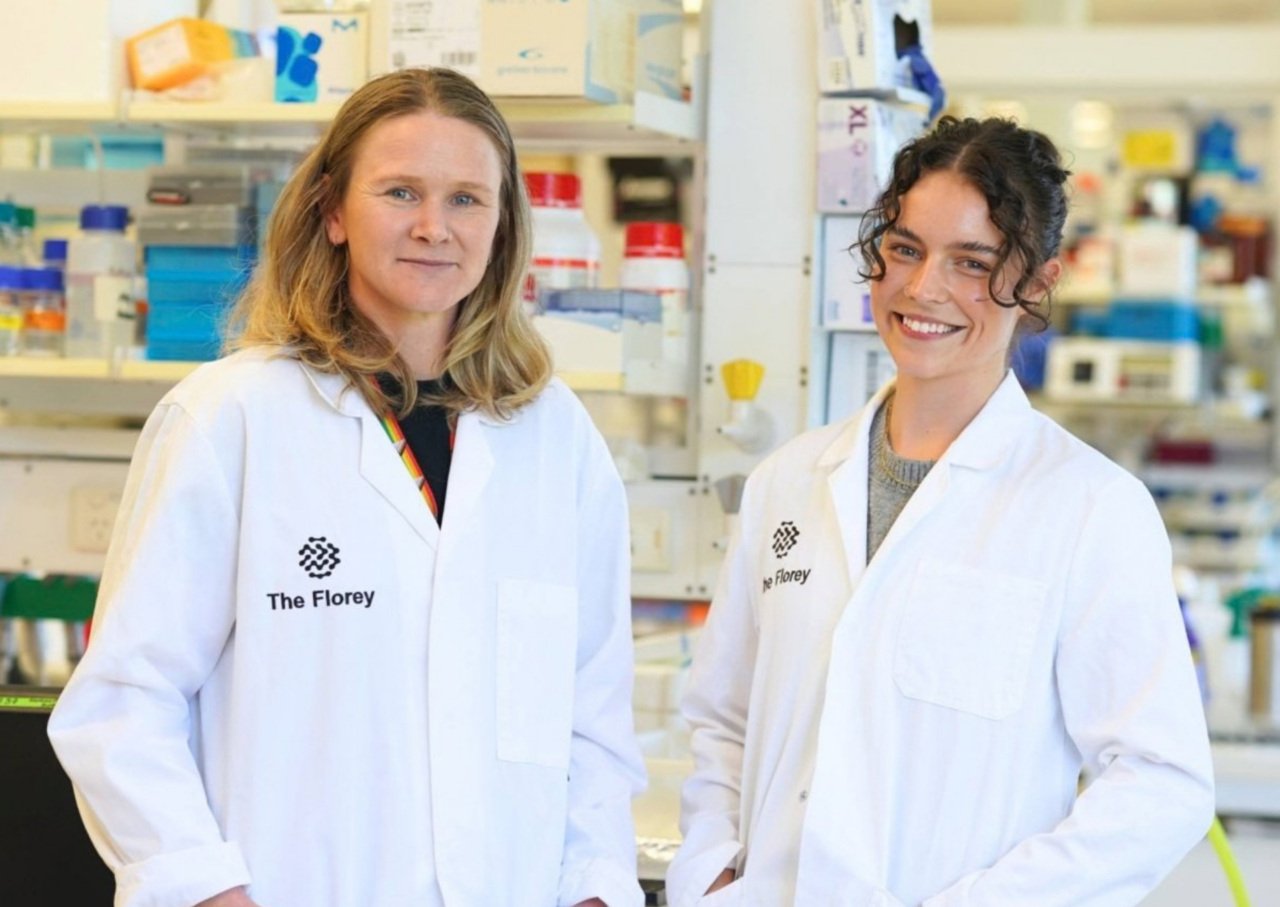
At The Florey, we are investigating how disruptions to reproductive hormones during puberty influence brain development and behaviours associated with mental health. By understanding how hormonal changes during this critical developmental window shape the brain, we hope to identify mechanisms that contribute to mental health vulnerability. Ultimately, we aim to extend this research to other major reproductive transitions, including pregnancy and menopause.
Women’s mental health beyond reproductive hormones
Reproductive hormones are not the only biological signals influencing women’s mental health. The brain is constantly receiving information about the body’s internal state, including signals related to stress, metabolism and immune function. These signals interact with reproductive hormones and the neural circuits that regulate our emotions and behaviour.
Our researchers are also investigating how these interactions influence behaviours associated with mental health conditions, including stress and addiction. Understanding how different hormonal signals influence brain circuits may help explain why vulnerability to these conditions differs between women and men.
Why does this matter?
Historically, much of our understanding of brain function has come from research focused on males, leaving important gaps in women’s neurobiology.
Crucially, differences between female and male brains are not simply about reproductive hormones. Hormones shape our brain development and brain circuits operate within a complex biological environment shaped by multiple interacting hormonal and physiological systems.
Understanding how this environment differs between sexes, changes across life stages and influences mental health could help us identify who is most vulnerable, why existing treatments work differently between individuals, and how to develop more effective, personalised approaches to mental healthcare.