- The Young Stroke Service (YSS) was formed in 2023 to fill gaps in stroke care for young people aged 18 to 55.
- Ida Laino is one of the more than 550 young Australians the YSS has helped in Victoria and South Australia.
- The Melbourne mother-of-two has joined calls for additional funding to allow the vital service to continue operating.
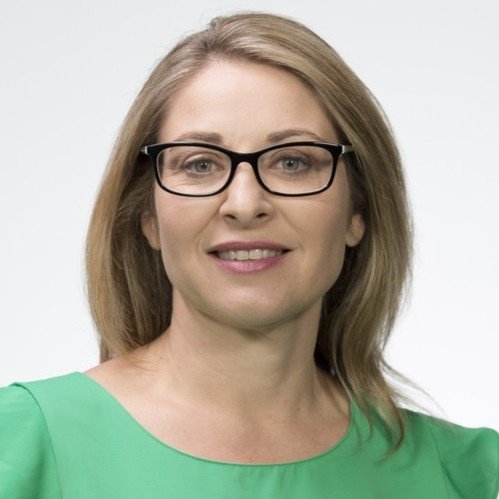
Ten days after giving birth in 2024 to her second child, Ida Laino suffered a stroke.
At just 38, Ida sought medical care at three different hospital emergency departments before receiving a stroke diagnosis. She showed no obvious signs of a stroke, and it was only after she began forgetting basic information that a brain scan was conducted and doctors realised something was seriously wrong.
“Faces became unrecognisable – I mistook my mother for my aunt – and my vision grew blurry. My short-term memory was gone; I couldn’t even remember having a second child,” Ida recalled.
Every day, 13 young Australians aged between 18 and 55 experience a stroke, and many of them will live with the effects for decades.
For many younger survivors, the impacts extend well beyond their physical recovery, affecting their ability to return to work, care for their families and adjust to significant changes in their daily lives. However, access to age-appropriate services remain limited.
The Young Stroke Service was established in 2023 to help address these gaps, building on years of research showing that too often, young stroke survivors struggled with their recovery due to unmet needs.
The Young Stroke Service is currently supported by a Medical Research Future Fund grant through to the end of 2026, and efforts are underway to secure its long-term sustainability.
Professor Vincent Thijs, co-lead Investigator of the Young Stroke Service, said continued support is critical to ensure younger stroke survivors get the recovery they need.
“We’ve seen firsthand the impact this service has had on hundreds of young Australians like Ida,” he said.
Without ongoing funding, there is a real risk that younger stroke survivors will miss out on the support they need and fall through the cracks.
For Ida, she faced a daunting recovery whilst juggling the demands of being a new mum. Ida recalled having to go back to basics and relearn how to read and spell while caring for a newborn and a toddler.
“It broke my heart knowing that potentially with my recovery, I may not be able to read to my children ever again, or something as simple as going to a cafe and reading the menu,” she said.
Ida first heard about the Young Stroke Service from her rehabilitation team at St Vincent’s Hospital, who encouraged her to give it a try. She went on to work with the service to set realistic goals for returning to work and develop ways to manage her anxiety.
“My experience with the Young Stroke Service has been truly life changing. They’ve given me practical strategies and tailored support that have become an essential part of my daily routine, helping me feel fully prepared to face any challenge that comes my way,” Ida said.
“Would I have fallen through the cracks? It’s hard to tell. But the support that I’ve received from the Young Stroke Service has kept me on track.”
Since it started in 2023, the service has supported more than 550 young Australians in Victoria and South Australia in rebuilding their futures.
“Young stroke is an increasing health concern, and this service is not a nice-to-have. It delivers critical support to young stroke survivors at one of the most challenging times in their lives to help them rebuild their futures,” said Professor Thijs.
Learn more about how you can support the Young Stroke Service