It is with deep sadness that we mourn the passing of former Florey director, Professor Fred Mendelsohn AO, at the age of 84.
Professor Mendelsohn was a pioneering neuro-endocrine researcher and widely respected scientific leader, who helped to transform The Florey Institute of Neuroscience and Mental Health into the largest brain research centre in Australia, helping to bring Australian neuroscience to prominence on the global stage.
Professor Mendelsohn began his career as a physician at the Royal Melbourne Hospital in 1966, following undergraduate medical studies at the University of Melbourne. He returned to the University in 1969 as an NHMRC postgraduate medical scholar, where he continued his academic career while holding clinical appointments at the Austin Hospital and the Royal Women’s Hospital.
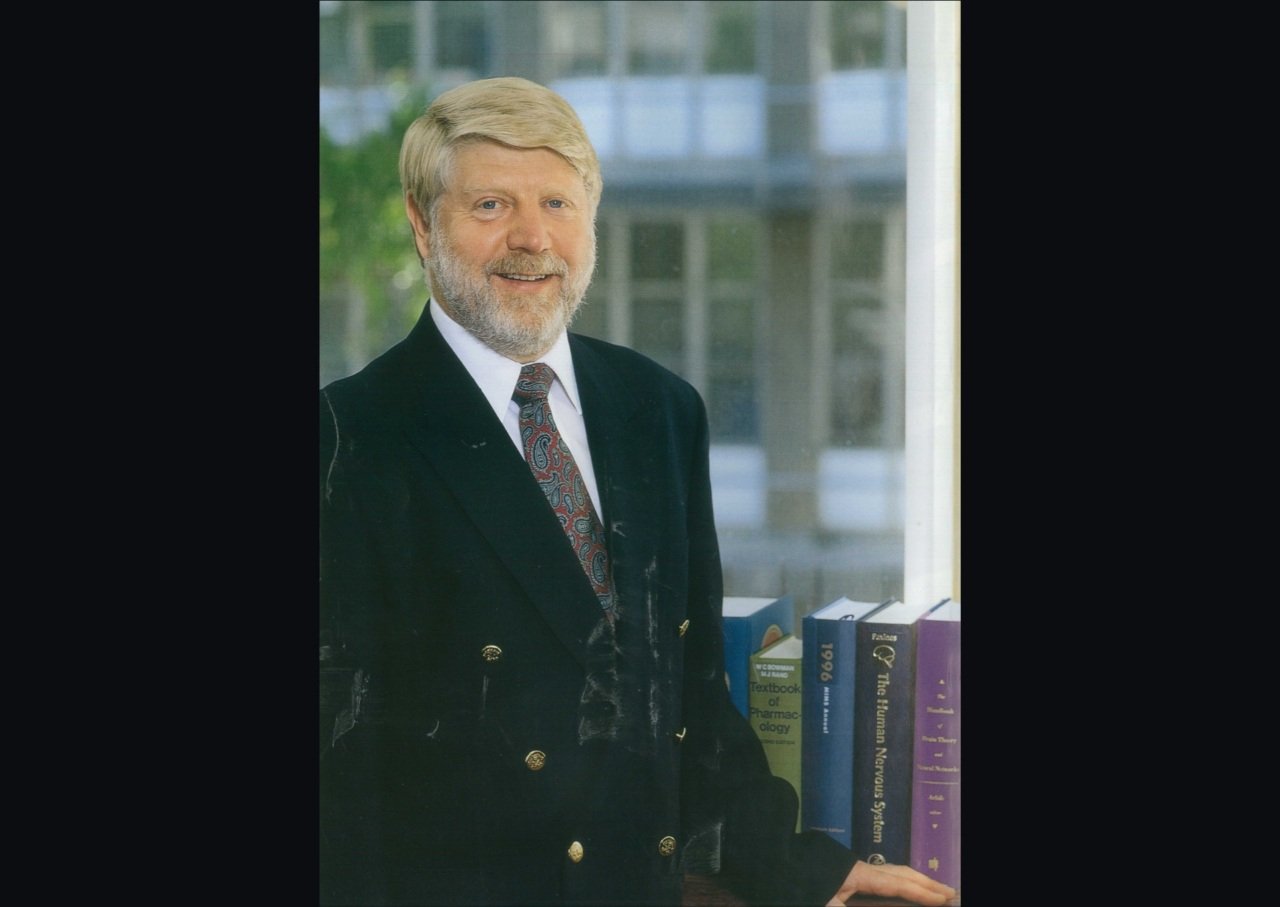
In 1972, shortly after completing his PhD, Professor Mendelsohn was awarded a Nuffield Foundation Travelling Medical Fellowship and relocated to London, where he worked at Middlesex Hospital Medical School. In 1974, with the support of the National Heart Foundation of Australia, he moved to Germany and took up a position as an overseas medical research fellow at the Physiologische Institute at the University of Munich.
On his return to Australia several years later, Professor Mendelsohn worked as a senior physician at Austin Hospital and later in the Department of Medicine at the University of Melbourne where he held the highly prestigious position of First Assistant from 1977 to 1981.
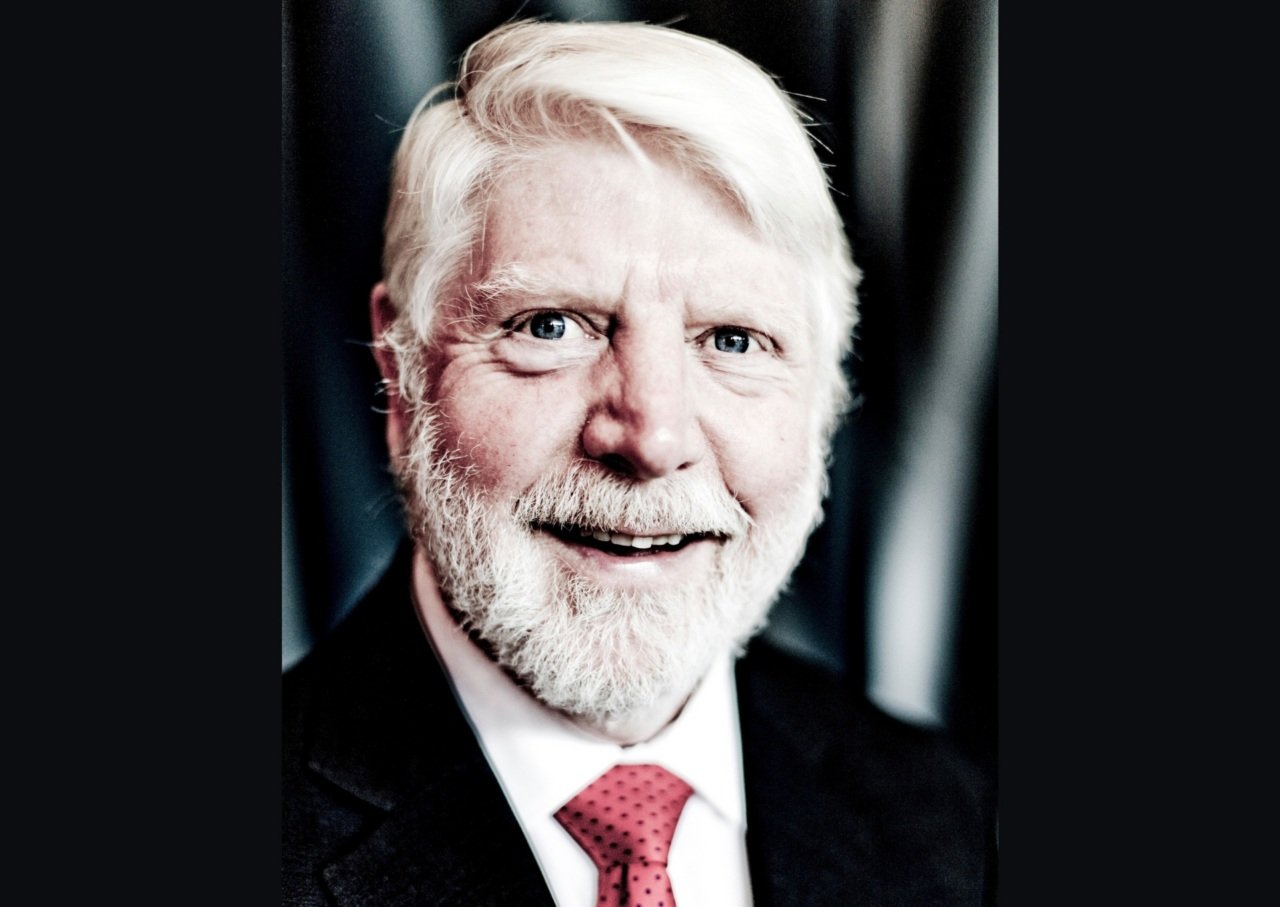
It was around this time he began to focus on neuroscience research and studying the chemistry of neural communication, sparked by his interest in the causes of high blood pressure. He and his colleagues began mapping sites in the brain where particular hormones might act to modulate body fluid, salt balance and blood pressure. “The results were very exciting and pointed to new ways that hormones and neurotransmitters could act in – and on – the brain,” he wrote in 2013.
By directly analysing neuropeptides and their receptors, Professor Mendelsohn pioneered the concept that angiotensin – a peptide hormone that narrows blood vessels and raises blood pressure – acts at the local tissue level. This cutting-edge research led to a significant body of work in his own laboratory, and by research groups around the world, on the brain angiotensin system.
These scientific discoveries, according to the Australian Academy of Science, underlie contemporary concepts of the pathophysiology of hypertension, heart failure and renal disease and underpin their current treatment by ACE inhibitors and angiotensin antagonists.
Later, his research group’s work on the AT4 receptor opened new lines of inquiry in the regulation of learning and memory.
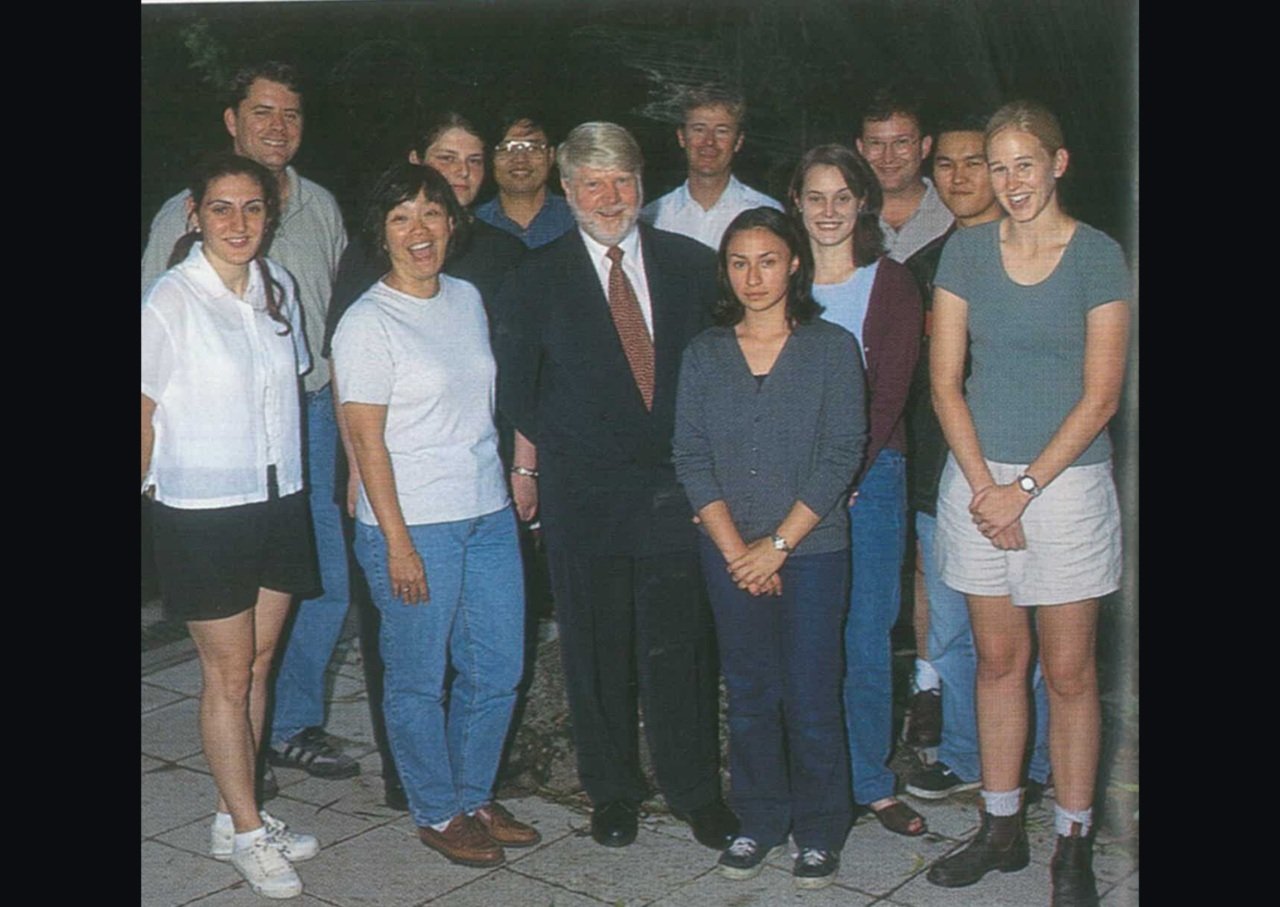
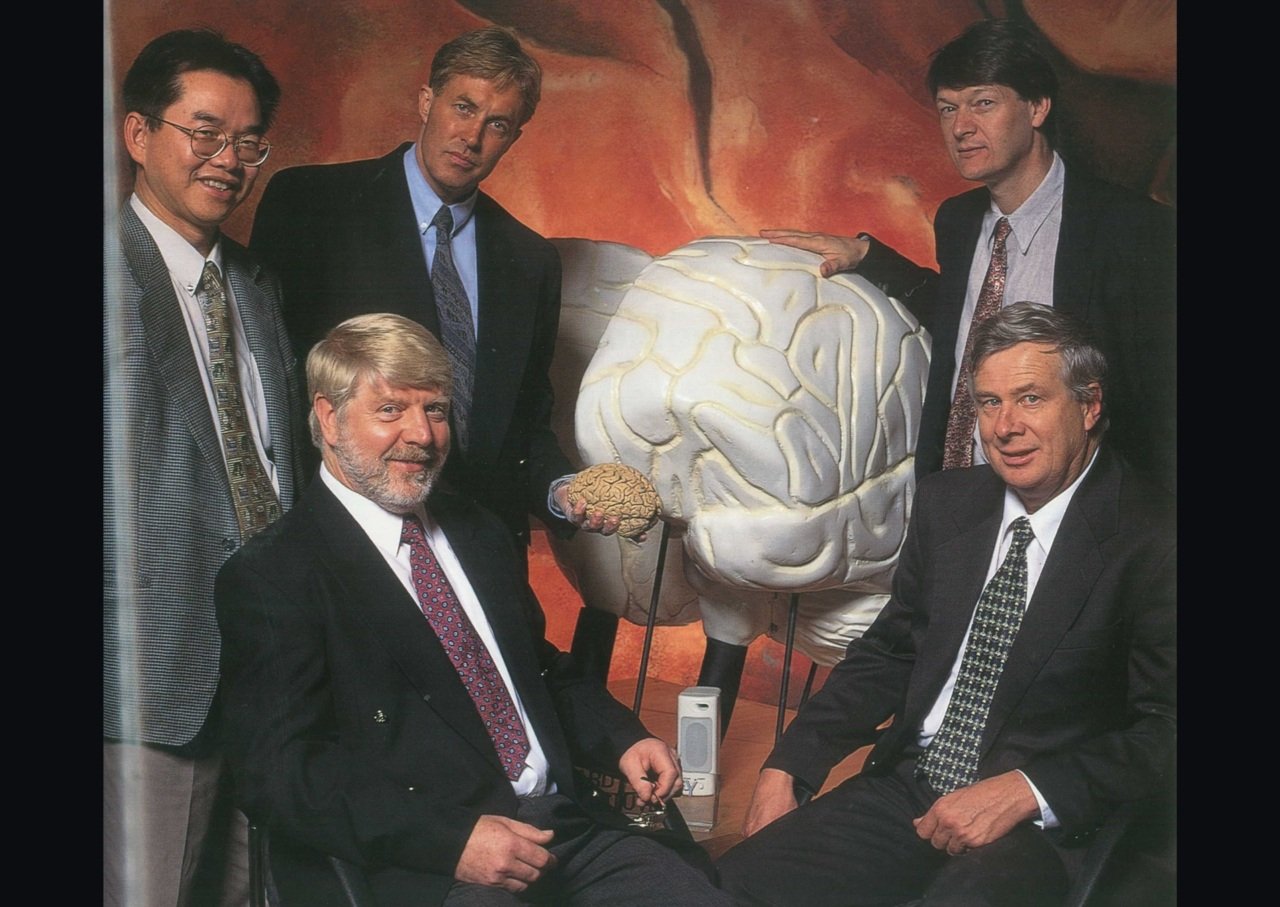
From 1990 to 1996, Professor Mendelsohn held a Personal Chair in the Faculty of Medicine at the University of Melbourne, before being appointed Director of the Howard Florey Institute of Experimental Physiology and Medicine at the start of 1997. During the initial years of his leadership of the Institute, he began to change the direction of its research efforts to neuroscience. Bringing together other brain researchers to study brain function and disease, the Howard Florey Institute evolved into a new institute in 2007, named The Florey Neurosciences Institute, with Professor Mendelsohn continuing as Scientific Director until late 2008, when he retired. Afterwards in 2012, the Institute became The Florey Institute of Neuroscience and Mental Health.
Under Professor Mendelsohn’s leadership, top neuroscientists were recruited to the Institute, attracting significant support and international acclaim. As he navigated the tumultuous waters of a changing funding landscape for medical research, he formed strategic partnerships that ensured a bright future for The Florey. In 1999, scientists across Australia were able to use a novel animal MRI machine and spectroscopy as well as an additional human MRI machine thanks to his leadership of key partnerships with institutes across Victoria.
Professor Mendelsohn was also pivotal in establishing the first PET (Positron Emission Tomography) facility in Australia at the Austin Hospital. As Director, he was involved in educating clinicians, academics, board members and administrators on the value of PET, and was key to fundraising efforts and the recruitment of skilled staff to operate the facility.
Professor Mendelsohn retired as an accomplished leader, decorated academic, outstanding mentor, and much-loved colleague. During his career, he published almost 300 papers in leading scientific journals and his work was cited more than 10,000 times.
He was a Chairman of the Angiotensin Gordon Conference in the USA (1998), Member of the Wills Committee on Health and Medical Research Strategic Review (1998-2000), the Eccles Lecturer to the Australian Neuroscience Society (2001), and a Past President of the Australian Neuroscience Society (2002-2003). In 2003, he was elected a Fellow of the Australian Academy of Science, and in 2004 he received the Order of Australia.
Professor Mendelsohn was also a distinguished member of the Medical Association for Prevention of War and an inaugural board member of the International Campaign to Abolish Nuclear Weapons (ICAN). He helped to first publicly launch ICAN in 2007 in Melbourne alongside former Prime Minister Malcolm Fraser, and in 2017, travelled to Oslo in Norway when ICAN was awarded the Nobel Peace Prize.
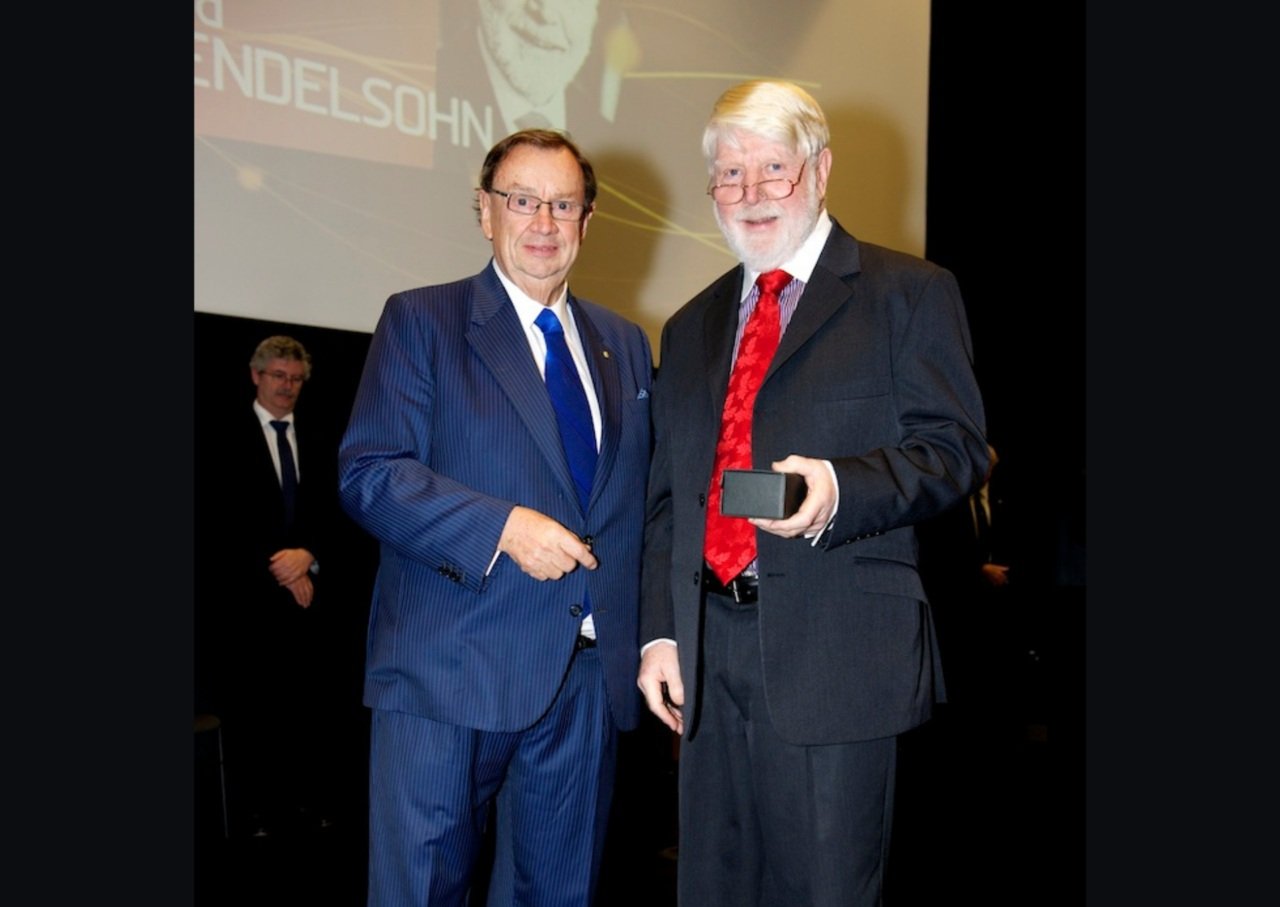
After a phenomenal career, Professor Mendelsohn was awarded the Australasian Neuroscience Society’s Distinguished Achievement Award in 2015 for his outstanding contribution to neuroscience.
Professor Mendelsohn is survived by his wife Lynne, children Ben, David, Tom, Natalie and Joshua, and stepchildren Lisa, Tony and Paul.
He leaves a profound legacy of scientific achievement and leadership that will endure for many years to come.
Vale Professor Fred Mendelsohn
19 June 1942 – 19 September 2026