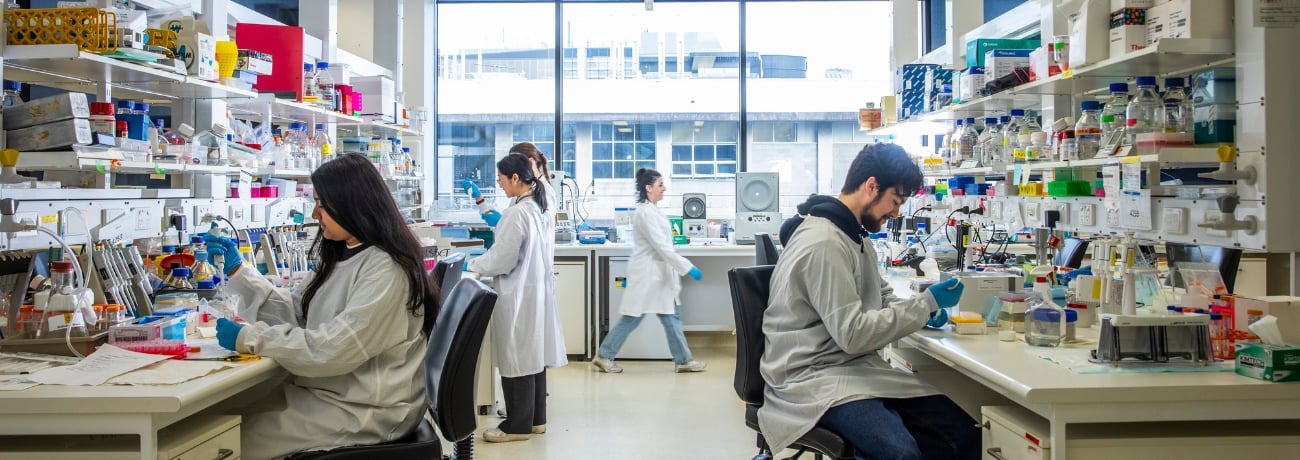
- Melbourne’s Harris family are honouring their much-loved mother and wife, Gillian Harris, by supporting The Florey’s sepsis research.
- Gillian passed away three years ago after developing sepsis while in hospital.
- Sepsis is caused by the body’s excessive inflammatory response to infection and is the leading cause of death in intensive care units.
Ken Harris and his daughters, Dani and Katrina, are determined to spare other families the heartbreak of losing a loved one to sepsis.
Their beloved wife and mother, Gillian Harris, sadly passed away in a Melbourne hospital after developing sepsis, an extreme reaction to infection.
As well as being the much-loved centre of her extended family, Gillian is fondly remembered as a mentor, confidant, leader and friend.
She had been a dedicated primary school teacher, managed the family’s engineering business and was president of Court Network, an organisation that she volunteered with for more than 30 years that supports people navigating the court system.
Daughter Dani says her 78-year-old mother had been recovering well from bowel cancer surgery when she was admitted to hospital in May 2023. Gillian was being treated for a bacterial infection, following her first round of chemotherapy.
“She was still bright and herself – sitting up in bed texting her family that everything would be fine,” Dani recalls.
But two days later the Harris family’s world turned upside down.
“I remember mum’s doctor calling me to say that I should come in,” Dani says. “Mum was very weak that day and could barely lift her arms to feed herself… her breathing was very shallow.”
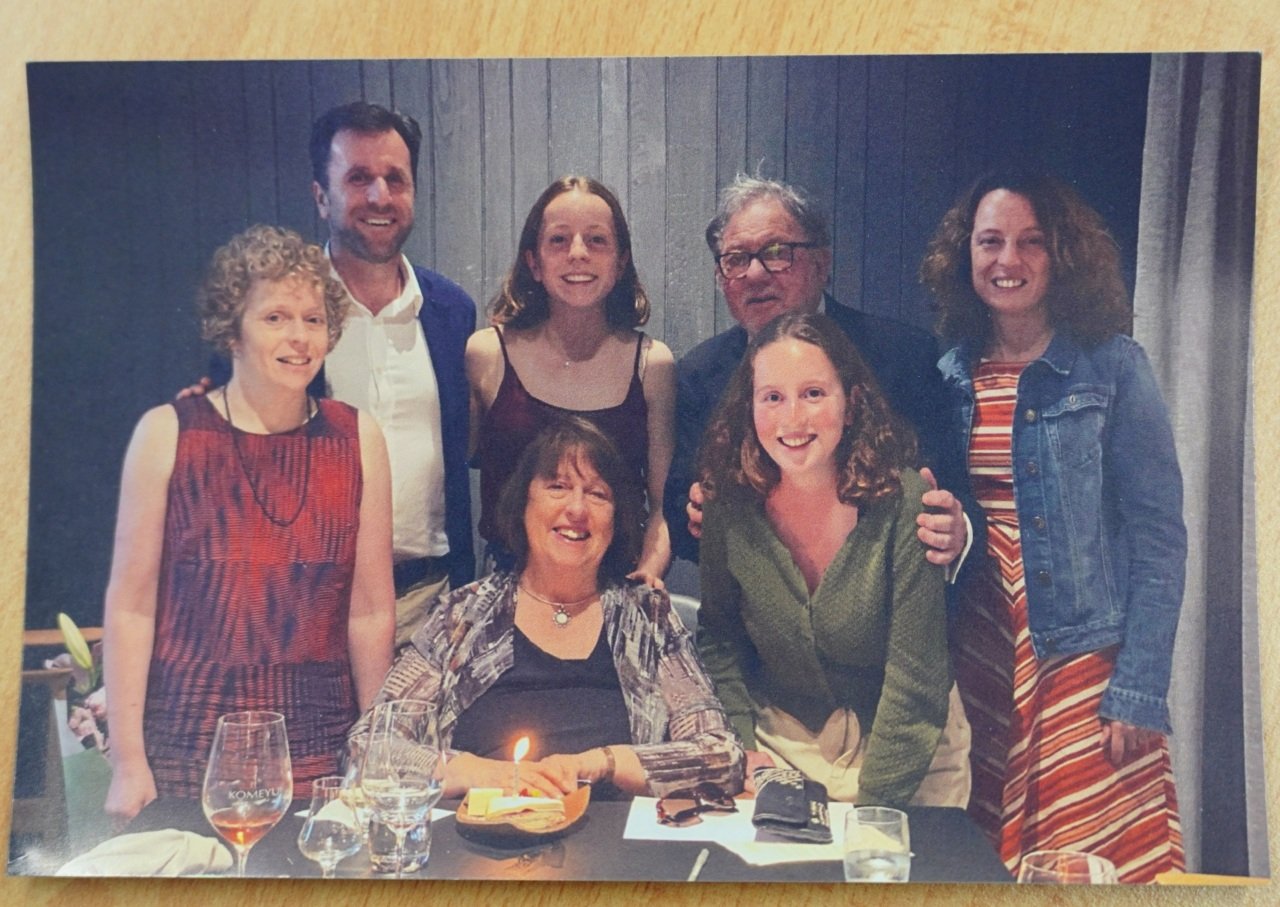
Within hours, Gillian was diagnosed with sepsis and was transferred to intensive care where she was intubated and placed in an induced coma.
“We were stunned. We went into the hospital and sat with her, holding her hand and telling her to be strong, that she could beat this, praying she would pull through,” Dani says.
Unfortunately, the grandmother of two had suffered a massive stroke.
“Mum’s body was beyond repair, her organs were shutting down and she would need a lifetime of medical support – if she ever left the hospital.”
As per Gillian’s medical directive, the family made the difficult decision to withdraw life support.
“I held her hand and told her she did not have to fight anymore,” Dani says. “That was the hardest day of my life.”
When her father Ken read a newspaper article about The Florey’s research into sepsis after losing his adored wife, he decided to become a Florey donor.
Dani says her “tough, strong, generous, intelligent and giving” mum would be proud.
“I see this donation as a continuation of her life – giving help to others. I would hope our donation would be able to assist in clinical trials and into research to treat infection before it develops into sepsis.”
Lifesaving mission to cure sepsis
The Florey’s Head of Stroke and Critical Care Research Priority Area, Professor Yugeesh Lankadeva, has co-developed and patented sodium ascorbate as a novel therapy for sepsis.
The megadose sodium ascorbate formulation is being tested at 12 hospitals across six Australian states and territories as a potential treatment to reverse sepsis-induced multi-organ injury in critically ill patients treated in intensive care units.
“This rapid translation underscores both the integrity of our science and its real-world clinical potential,” Professor Lankadeva says.
“With the Harris family’s generous support, now we are taking the next bold step: Can we prevent sepsis from developing at all?
“Instead of treating patients once organ failure has begun, we aim to intervene early in infection before sepsis takes hold. This highly innovative project will test a new formulation of sodium ascorbate administered at the earliest stage of infection to determine the optimal dose, safety and efficacy needed to prevent sepsis and protect major organs – including the brain, heart, blood vessels, lungs, liver and kidneys.
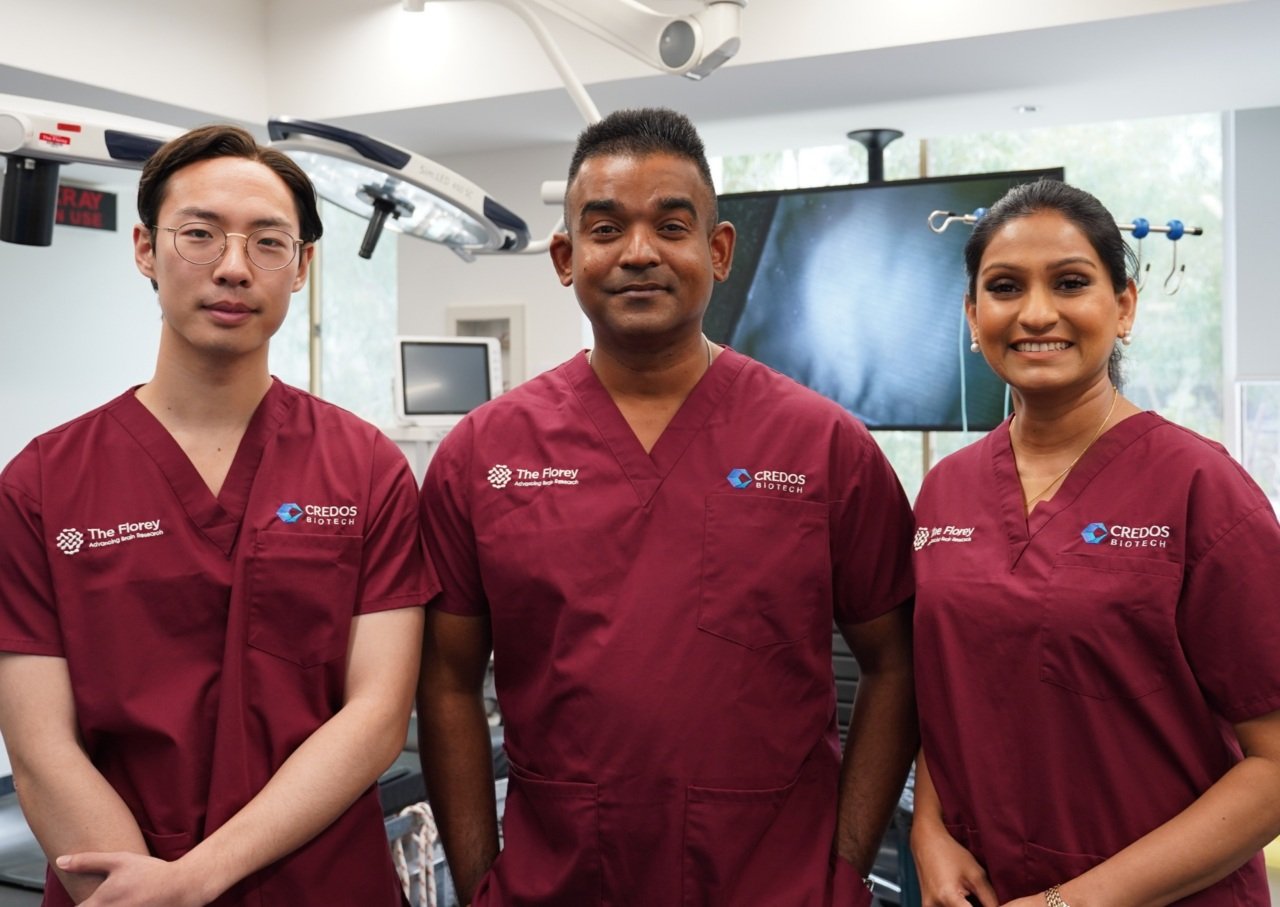
“In parallel, in collaboration with The Doherty Institute, we will explore a powerful and largely untapped mechanism: how sodium ascorbate supercharges the immune system’s ability to fight infection. This research will investigate whether this therapy can harness the body’s natural immune responses, allowing infections to be cleared more quickly without relying on antibiotics.
“If successful, this work could be truly game-changing. Antibiotic resistance is rising globally, leading to more uncontrolled infections, more treatment failures, and more cases of sepsis each year. A therapy that prevents sepsis by supporting the body’s own immune defences, rather than targeting bacteria directly, would be a paradigm shift in how we approach bacterial infections.”