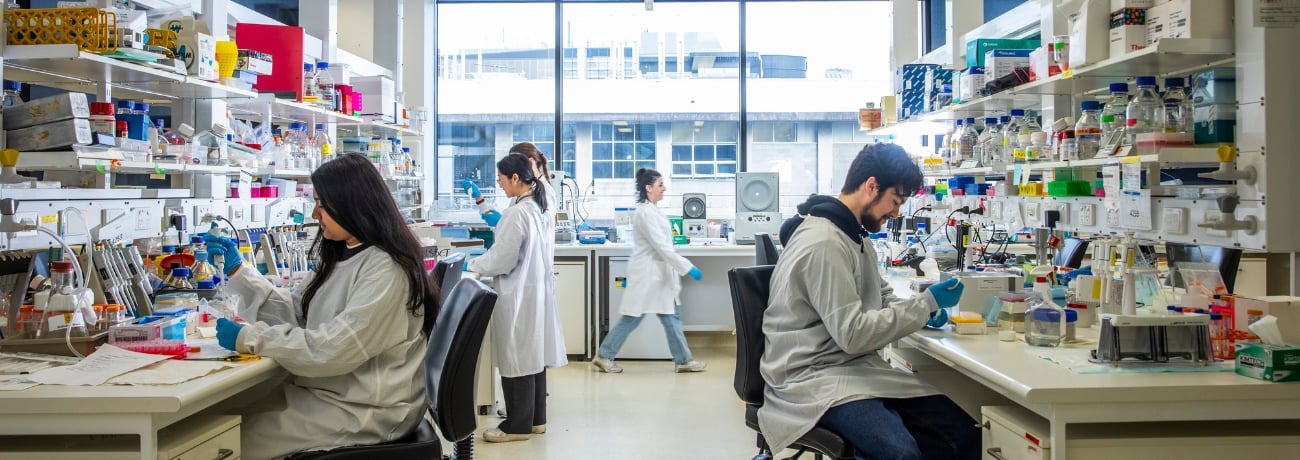
Neurodegeneration Therapeutics Group
Neurodegeneration involves progressive neuronal dysfunction, synaptic loss, and ultimately cell death-a process that may unfold slowly in diseases like Alzheimer’s, or rapidly in genetic or metabolic disorders. While the initiating insults vary, many of the downstream mechanisms of neuronal death converge. Our research unites these domains, leveraging insights from inborn errors of metabolism to inform new therapeutic strategies for common dementias. Our research builds on a proven translational record, including the discovery and development of the first effective therapy for molybdenum cofactor deficiency -now FDA-approved and changing lives worldwide.
Research interests
|
Techniques & Methods
|
About our research
Our research group aims to develop strategies to preserve brain health by pinpointing and targeting the earliest molecular triggers of neuronal death. Our work bridges rare genetic/metabolic disorders (e.g. molybdenum cofactor deficiency, sulphite toxicity) and common neurodegenerative diseases, investigating how pathways such as APOE signalling, lipid and iron metabolism, and cofactor homeostasis shape vulnerability or resilience in the brain.
We combine mechanistic neuroscience, biomarker discovery, and translational therapeutics. Our ambitions extend from fundamental biochemistry to preclinical development, with particular emphasis on mRNA-based therapies targeting APOE and other molecular targets.
Research team
Research team head
Group Head
Team members
Research Fellow
Scarlett Parker
Research assistant
Caroline Sun
Research assistant
PHD student
Xi Chen
PhD student
Master
Nataliia Weiss
Master's student
Collaborators
Our research is strengthened by close collaborations with international and national partners, including:
- Prof. Guenter Schwarz, University of Cologne, Germany: expertise in molybdenum cofactor biochemistry and metabolic disorders.
- Prof. Liang-Yin Ke, Kaohsiung Medical University, Taiwan: specialist in lipid metabolism, vascular biology, and neurovascular interactions.