- Motor neurone disease (MND) is a progressive, fatal neurodegenerative disease.
- The current first-line treatment for MND was discovered 30 years ago, however more effective treatments are needed. Over the past three decades more than 170 drugs have been tested and failed in MND clinical trials.
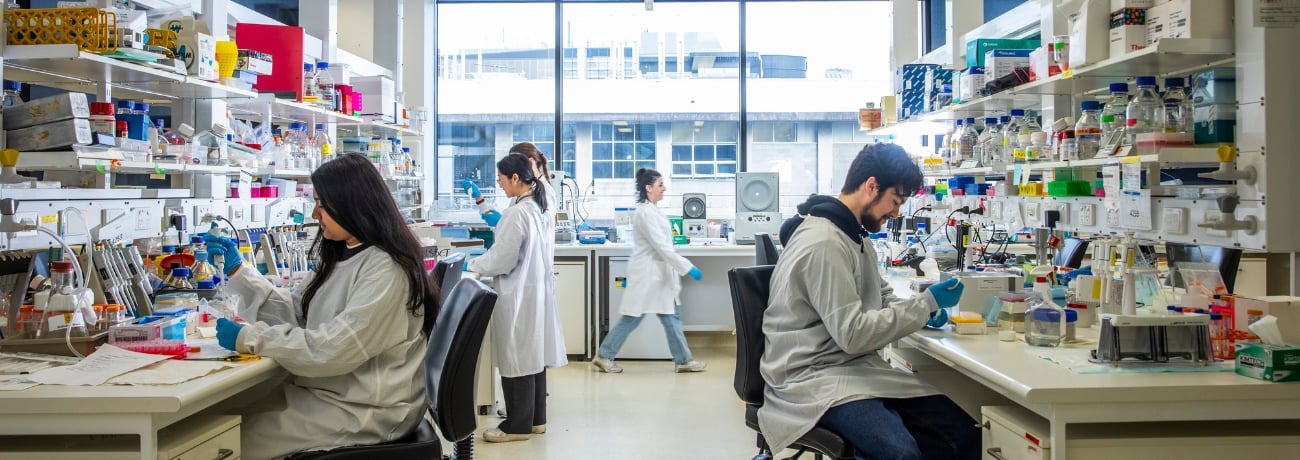
- Researchers at The Florey have developed an innovative stem cell technology to test drugs in the laboratory. They have identified a 3-drug combination that is 6.5 times more effective than available treatments at prolonging MND nerve cell survival in the lab.
- Skin cells generously donated by people with MND were converted into nerve cells and used to test drug combinations at large scale.
- Clinical trials are needed to see if the laboratory results offer promise for patients.
Florey team uses innovative platform to identify new MND treatment
Innovative laboratory research performed at The Florey has identified a combination of three drugs that, with further clinical research, may have potential for the treatment of motor neurone disease (MND).
MND, also known as amyotrophic lateral sclerosis (ALS), causes progressive paralysis, taking away the ability to move, speak, swallow and breathe.
Patients receiving current treatments and care live an average of 2-3 years, with the only approved drug that is known to extend life, riluzole, prolonging survival by about 3 months.
In a significant development, the researchers discovered that a triple combination of riluzole, an anti-inflammatory drug and a medication developed to treat dementia, was 6.5 times more effective than riluzole alone at prolonging the survival of nerve cells in the laboratory.
The research, led by Associate Professor Chris Bye and Professor Bradley Turner at The Florey and published in Nature Neuroscience, is the first to validate a laboratory model that mimics MND.
Paving the way to better understand sporadic and unexplained cases
Skin cells generously donated by people affected by MND were converted into motor neurones, the nerve cells affected by the disease.
These nerve cells showed features of the disease in the lab, dying earlier than similar cells derived from healthy volunteers. The nerve cells were used to screen a wide range of drugs that have already been approved for human use, alone and in combination.
The model paves the way to better understanding MND and the development of new treatments.
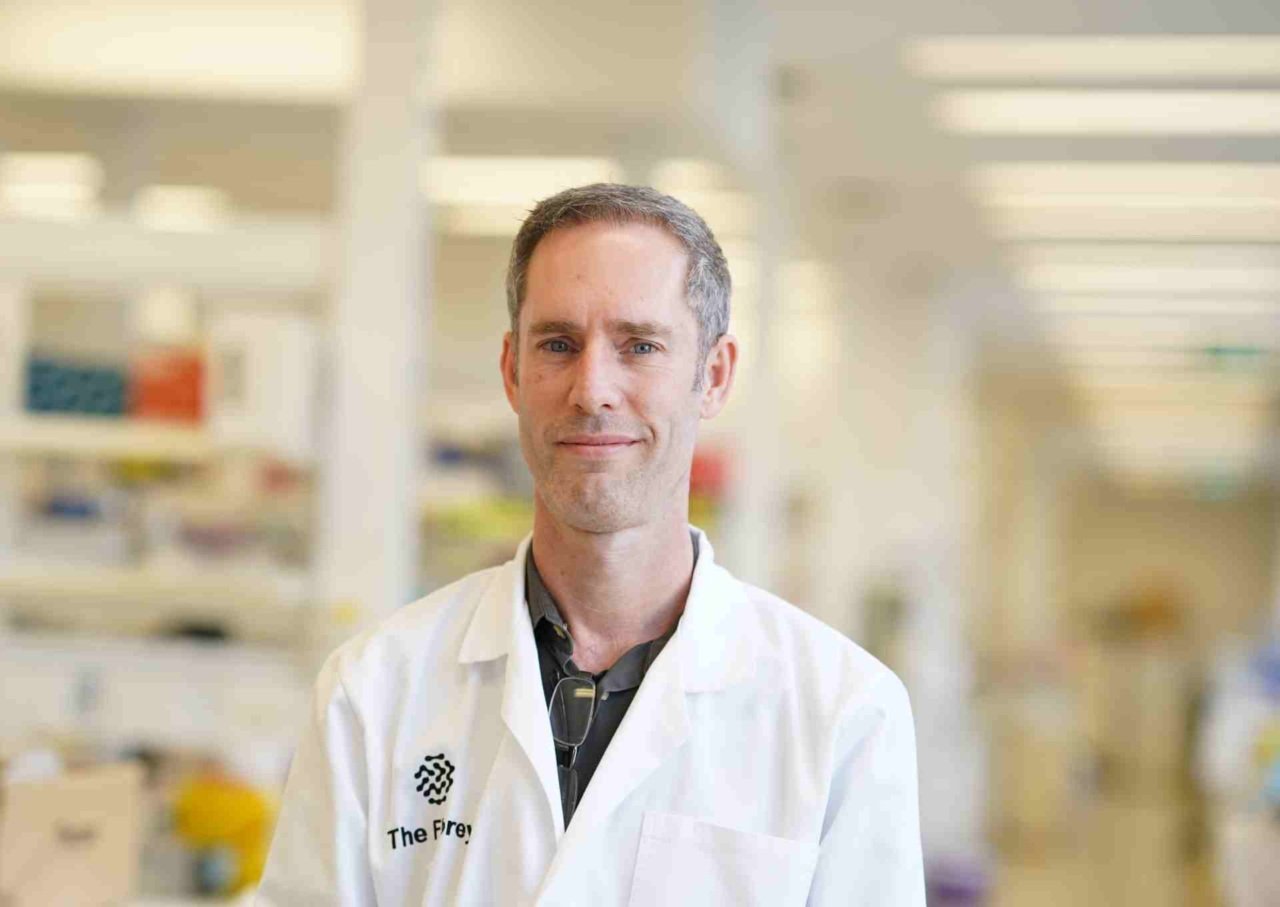
Associate Professor Bye said MND is difficult to study because its causes are complex and incompletely understood.
“About 10 per cent of cases have a known genetic cause. Our focus is on finding treatments for the 90 per cent of ‘sporadic’ or unexplained cases. To do this, we built a library of stem cells donated by 100 people with sporadic MND – including FightMND founder and AFL great Neale Daniher. In the lab, we turn these stem cells into motor neurons to imitate the disease process and to test potential treatments.”
Associate Professor Bye said “We tested more than 100 drugs previously tested in MND clinical trials and found that the motor neurons in the laboratory responded as they did in patient trials; most failed. We took the only 3 effective drugs and tried them in combination, finding that they were 6.5 times more effective than riluzole alone.”
Although Associate Professor Bye cautioned that the combination treatment needs to be tested in a clinical trial before drawing firm conclusions.
“Our model appears to mimic aspects of the disease process in people with MND and paves the way for a new generation of research and therapeutic development.”
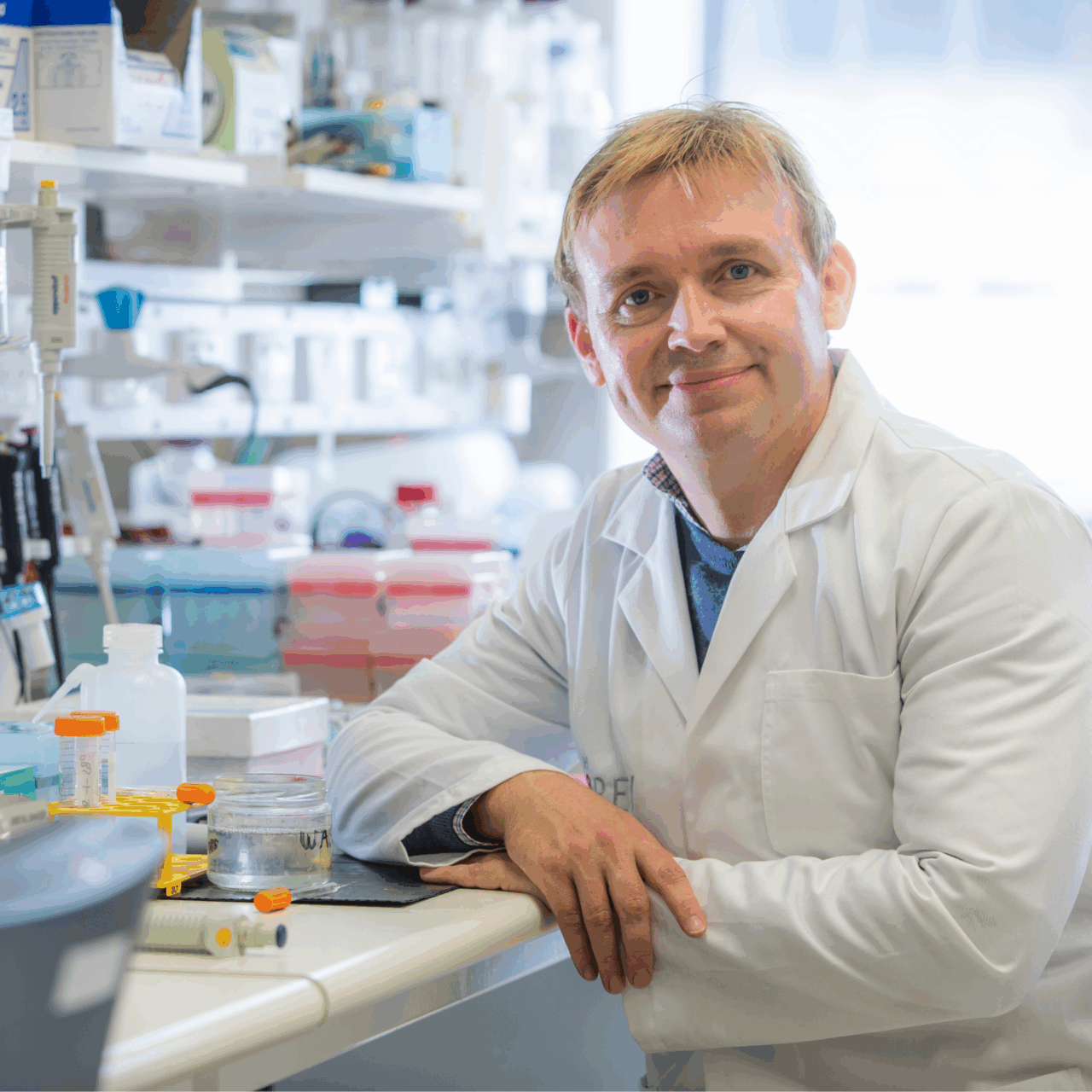
Professor Turner said the FightMND Drug Screening Platform at The Florey aims to reduce the heartbreak of MND drug research.
“Drugs are traditionally developed in the lab, tested in mice, and if they show promise, they might make it to human trials. Since the discovery of riluzole over 30 years ago, more than 170 drugs for sporadic MND discovered with this approach have failed in clinical trials.
With our platform, we can test drugs directly on patient motor neurons from across the MND population for the first time. We have genuine hope that this new approach will, over time, lead to new treatments for people with MND.”
Advancing drug discovery for hope of better outcomes
The team is now working to get the combination treatment to clinical trials.
FightMND’s Director of Programs and Cure Research, Dr Bec Sheean, says the FightMND Drug Screening Platform at The Florey is a critical piece of the puzzle in the mission to find effective treatments for MND, and emphasises the importance of research collaboration.
“Thanks to the partnership between the The Florey, Victorian Government, FightMND and Balcon Group, as well as the invaluable participation of individuals living with MND, this platform is transforming drug discovery. The Florey’s pioneering work using this technology represents a major advancement in modelling the disease in the lab. These achievements give us genuine hope and accelerate the path to clinical trials, bringing us closer to a solution for people living with MND.”