- Brain cancer is unique because it hijacks the brain’s electrical communication system to receive direct connections from healthy brain cells.
- Increased electrical activity in the brain correlates with cancer growth.
- Florey researchers are finding new avenues for potential treatments for brain cancer.
What makes brain cancer unique and challenging to treat?
Imagine your brain as a bustling city, with millions of brain cells constantly sending electrical messages to each other. Now, picture cancer as an unwelcome visitor trying to take over this city. That’s what we’re dealing with in brain cancer, and it’s quite different from cancers in other parts of the body.
The brain is an electrical microenvironment
Your brain is special because it is electrically active, with brain cells (neurons) transmitting electrical signals in order to communicate. This electrical activity is what allows you to think, feel and move.
In a healthy brain, there’s a perfect balance between electrical chatter and important messaging – the brain knows what to listen to and what to ignore.
The hijacker
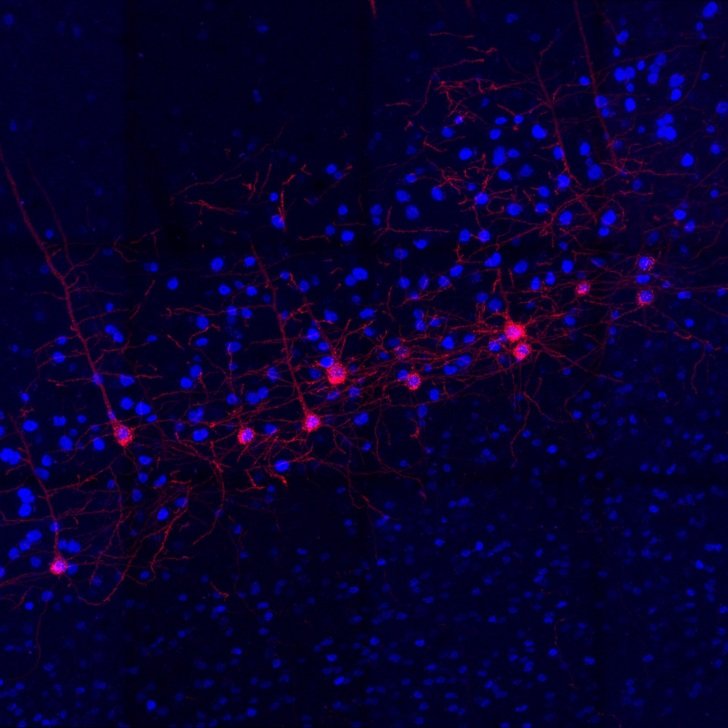
About six years ago, scientists made a remarkable discovery: the brain can communicate directly with brain cancer cells. It’s as if the cancer cells have hijacked the brain’s secret language. They form what we call a “neuron-glioma synapse” creating a conversation highway between healthy brain cells and cancer cells.

In my lab, we’re trying to tap into these synapses to eavesdrop on the conversations between brain cells and cancer cells. We use advanced techniques to record the electrical activity of cancer cells, allowing us to create detailed pictures of how the cancer spreads, cell by cell.
A terrible cycle
We’ve found that the more electrical activity there is in the brain, the more the cancer cells grow. It’s like a terrible cycle:
- Brain cells talk to cancer cells
- This causes cancer cells to grow
- This makes brain cells more active
- The cycle repeats, making the cancer grow faster

We’re still trying to understand exactly how the brain microenvironment makes cancer grow, but we think it is related to the connections they form with brain cells.
An unfortunate spread
Unlike cancers in other parts of the body, brain cancer doesn’t just form a lump. Individual cancer cells can spread out and mix with healthy brain cells. This makes it hard to target the cancer without hurting the healthy parts of the brain.
Hope for the Future
We’re working hard to decode these cellular conversations and find ways to interrupt them.
By studying how cancer changes the brain’s electrical patterns, and vice versa, we hope to discover new ways to fight it. Maybe we can find a way to make this communication not much more than a whisper.
It’s an exciting time in brain cancer research. Every day, we’re getting closer to understanding how cancer hijacks the brain’s electrical network. And with each discovery, we’re one step closer to better treatments and, hopefully, a cure for this devastating disease.
![[MAY] Neuroscope – Resizing (500 x 500 px)](https://florey.edu.au/wp-content/uploads/2026/03/MAY-Neuroscope-Resizing-500-x-500-px-.png)