- In honour of her late father Graham, Tania West has established The Graham West Research Grant to support Dr Carlos Gantner’s research at The Florey.
- Graham was just 70 when has passed away from multiple system atrophy, a rare form of atypical Parkinson’s which progresses rapidly and for which there are no effective therapies available.
- Dr Gantner’s research investigates the sleep dysfunction that often precedes MSA and Parkinson’s disease, with a goal of developing effective strategies to reverse degeneration and unlock targeted treatments.
Supporting Florey research into multiple system atrophy
For Tania West, losing her beloved Dad, Graham, to a pernicious form of Parkinson’s disease was a heartbreaking experience.
Graham lived a rich and full life in Canberra as a husband, father and Pa, and was a highly respected automotive trade teacher, before succumbing to multiple system atrophy (MSA), a rare, progressive neurological condition.
“Dad taught us to show kindness, empathy, hard work, gratitude, to live life with joy and positivity, to have good manners and show love. He could fix anything, was gentle and had a heart of gold. He was – and still is – my hero. We love and miss him beyond words,” says Tania.
MSA causes brain cell loss and is a form of atypical Parkinson’s or “Parkinson’s Plus” diseases with Parkinson’s-like symptoms – such as tremors, rigidity and autonomic dysfunction – but which typically don’t respond well to dopamine replacement treatment. MSA progresses rapidly over five to ten years and there are no therapies currently available.
Sadly, Graham died in 2022. Still deep in their grief, his family has decided to honour him by establishing The Graham West Research Grant to support Dr Carlos Gantner’s research at The Florey.
“This will form part of Dad’s legacy,” Tania says. “We wanted to fund a specific project or program that focused on Parkinson’s Plus and associated MSA. I contacted The Florey’s Philanthropy Manager, Ryan McCarthy, who suggested a project looking at the connection between sleep dysfunction and early detection of Parkinson’s disease and MSA. Given that my dad was diagnosed so late, I felt this was something quite personal to our story.”
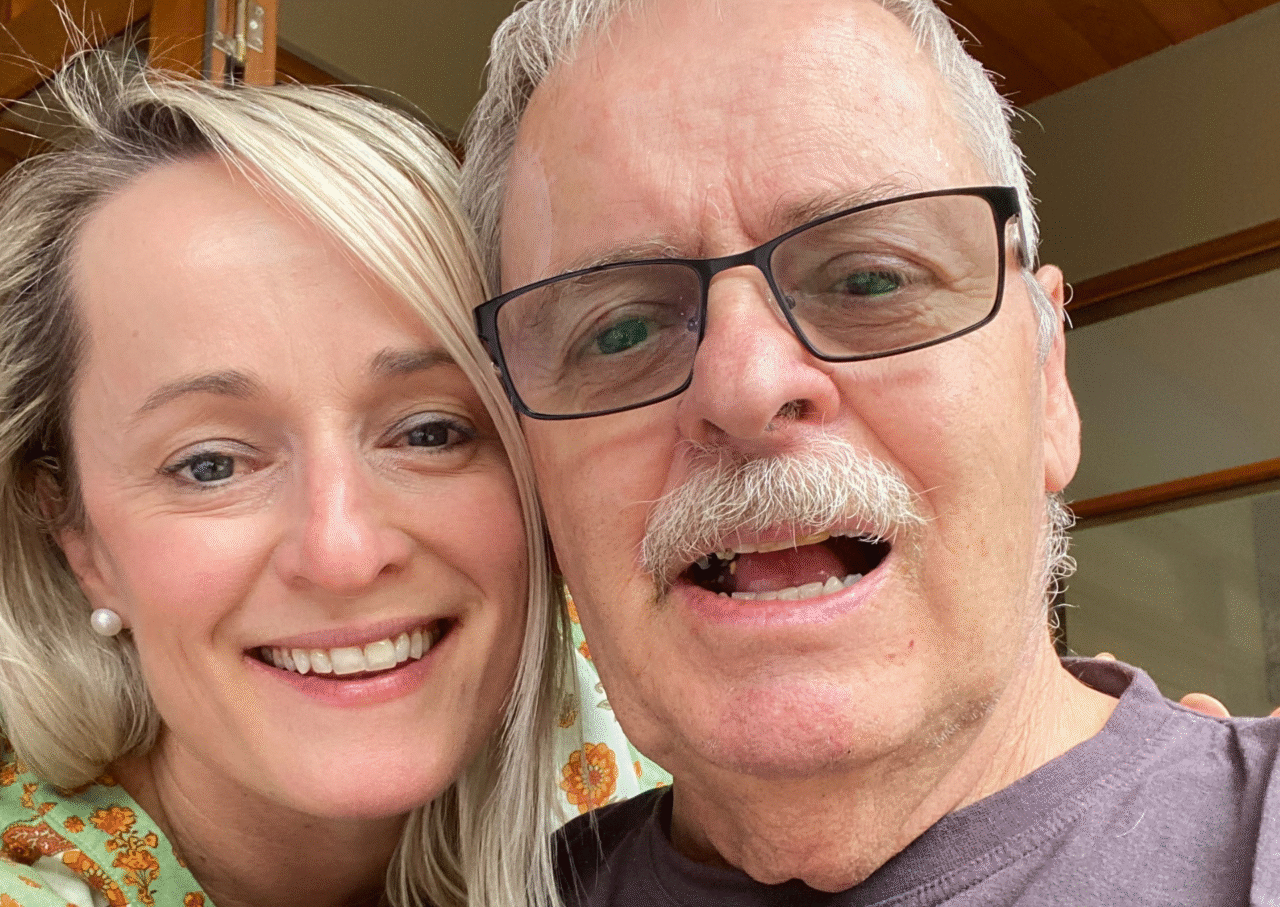
In hindsight, Tania realises her father may have been exhibiting symptoms for eight years before his diagnosis in 2019. By then he had already been admitted to hospital 28 times after numerous seizures, issues with stability and balance, headaches and speech problems, as well as countless tests and reviews.
After the diagnosis, his family learned that he would likely decline rapidly.
“It was very hard to watch. No treatments helped. My beautiful Mum, Jenny, was able to take care of him at home for a while, but as the disease progressed it became harder to manage.”
They made the heartbreaking decision to move Graham into residential care.
“It was so hard to watch my proud Dad deteriorate, needing help with toileting, eating and communicating. This would have been so hard to go through, but he never once complained. Even on tough days he’d say he was ‘feeling fair’.”
Graham was just 70 when he passed away.
“Dad was an incredible man who left us way too soon. I hope that by funding research at The Florey, we’ll be saving and improving the lives of people living with Parkinson’s disease and MSA.”
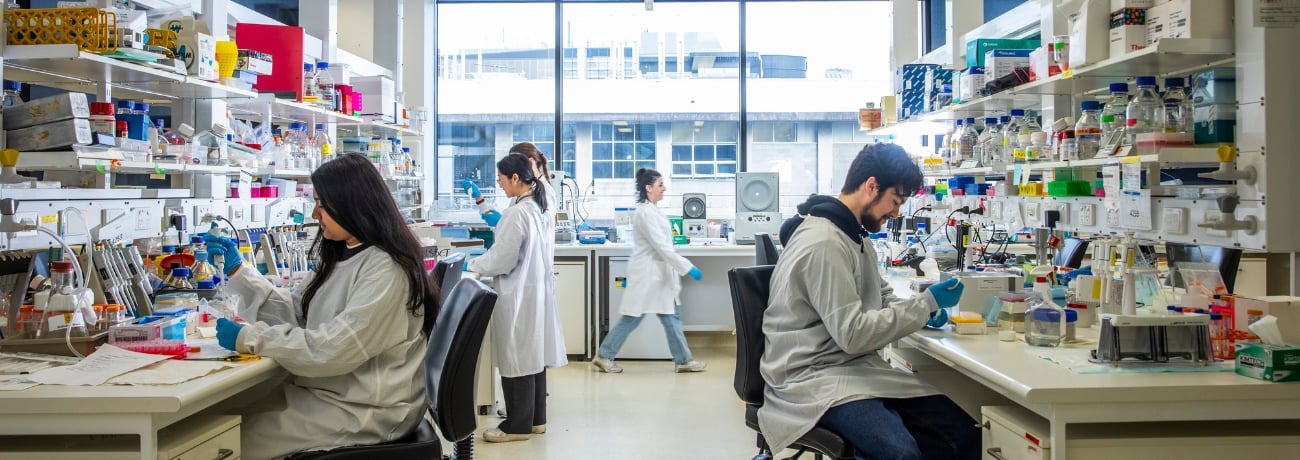
The Graham West Research Grant is supporting Dr Carlos Gantner’s research into the brain circuitry, brain cell types and degeneration that occurs in REM Sleep Behaviour Disorder.
Carlos says MSA, like Parkinson’s disease and dementia with Lewy bodies, is often preceded by sleep problems, in particular REM Sleep Behaviour Disorder, where patients act out their dreams.
“My goal is to develop effective strategies to reverse degeneration at the earliest stages, before a person progresses to Parkinson’s disease, MSA or dementia with Lewy bodies,” he says.
“Once we understand why people transition to the disease, we can potentially unlock targeted treatment strategies for each disease. Tania’s generous donation is an incredibly important support for our research, and we’re determined to put it to good use investigating – and improving – treatment options for people like Graham.”
Tania is excited to contribute to medical research.
“It could be groundbreaking,” she says. “We need better ways of preventing, screening and treating this disease. And we want a cure! We need to be able to provide a better quality of life and improve life expectancy for people with Parkinson’s and MSA. What a wonderful way to honour my amazing Dad.”